Bill Bayer
Photographer of The Fires for The Dispatch
Bill Bayer was born in Teaneck and raised in Woodbridge, New Jersey. In his twenties he moved to North Bergen to begin an illustrious career as a photojournalist which he continued for the next thirty-five years. Between 1978 and 1982, Bill worked for the local Hudson County paper, The Dispatch as a principal photographer documenting the arson epidemic that plaguedHoboken at the beginning of its gentrification era. During his tenure, he covered nearly every major fire. His archive is singular in its unflinching coverage of the devastation afflicted onto the city’s population. A photojournalist of true conscience, his images extend beyond the call of duty and reflect a humanity and ethical responsibility to bring about actual change. His coverage of severely burned children in the burn victims unit at St. Barnabas Hospital in Livingston was published on the front page of The Dispatch in 1982. The fires would begin to slow in that same year after the images were published. Arguably, these images saved live.
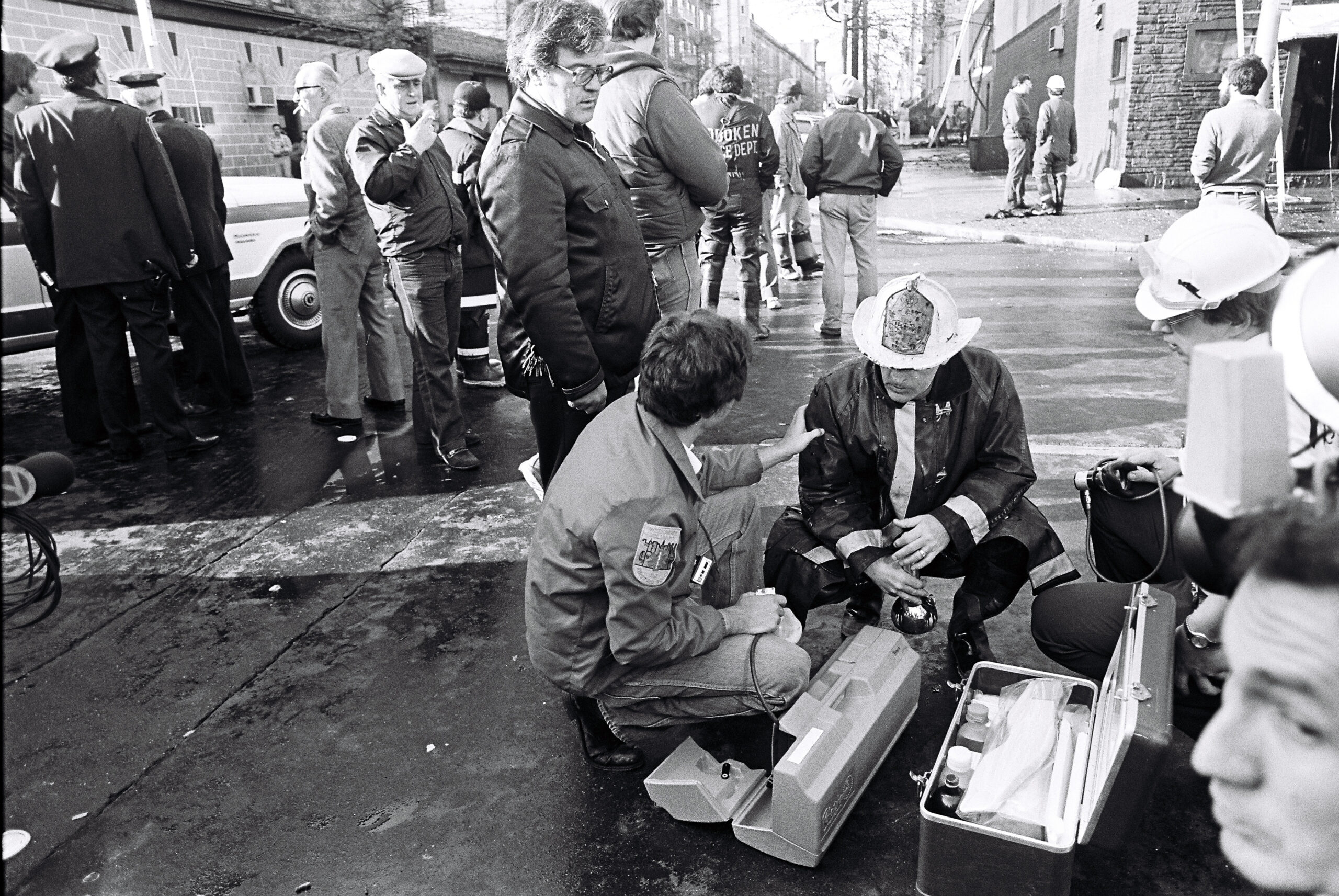
They had to get people out, roping them down on the outside of the building, and it just everyone on the ground, of course, could see everything and see that. So I photographed that, like, way too many times, you know, way too many times.
Bill Bayer
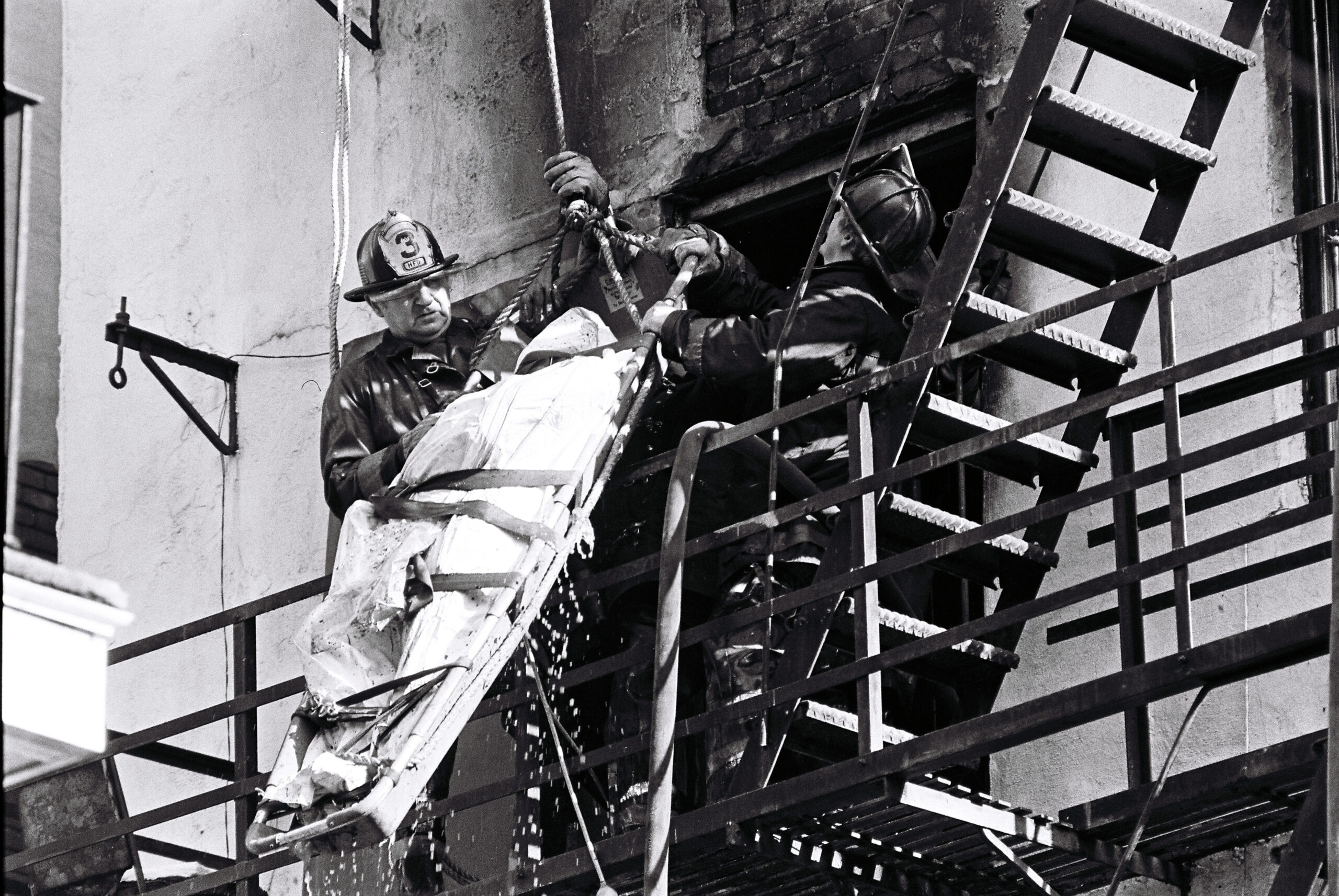
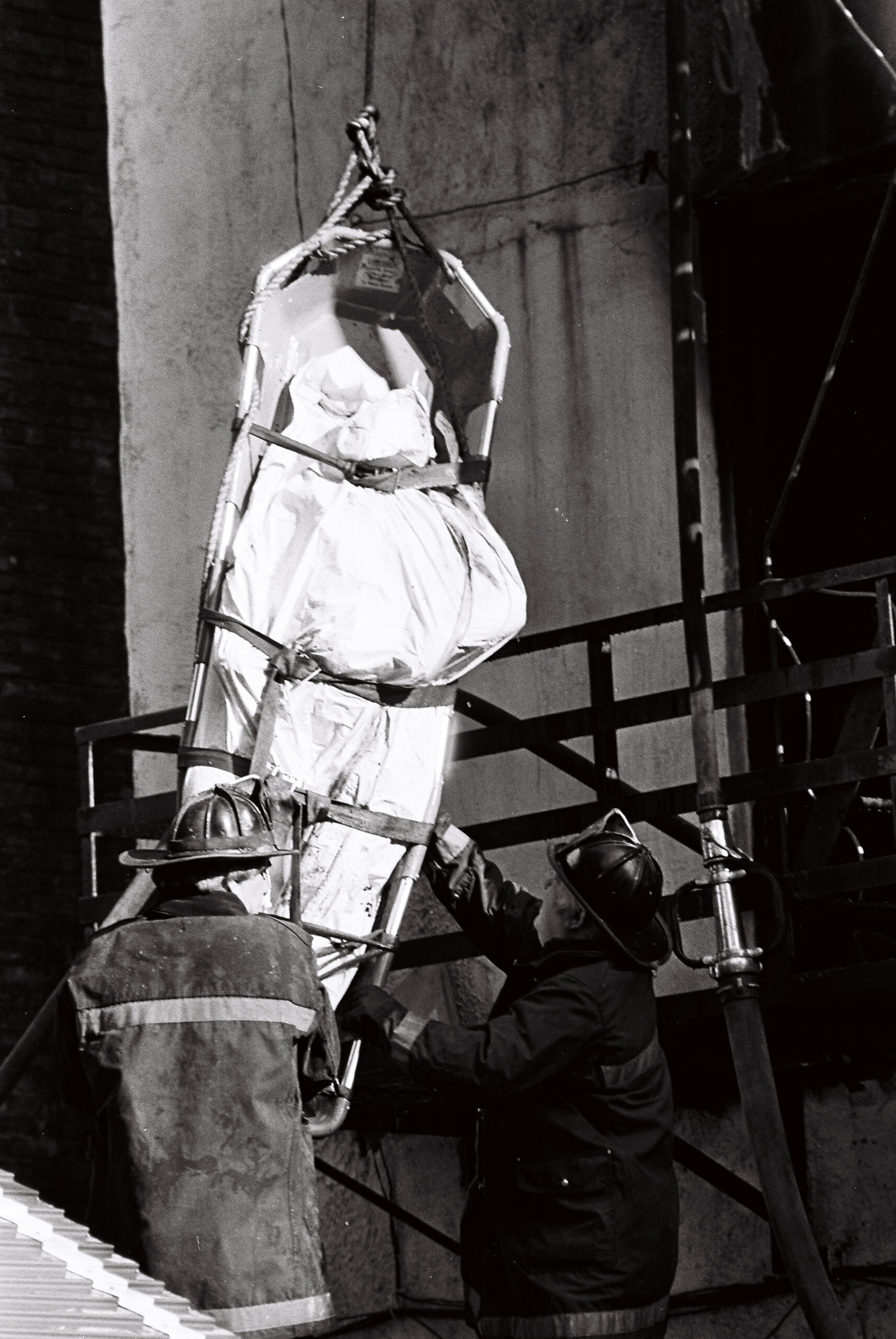
We got a call from a burns center, Saint Barnabas Burns. We got the call from the head doctor there and he was pissed. He was just angry. He kept seeing people coming in from Hoboken. He was just mad. I mean, he went from compassionate to just mad. And he said, you have to see this. I'm inviting you out here. We have a family here from Hoboken. You have to see that. And see what it's like for these folks go through what they're going through.
Bill Bayer
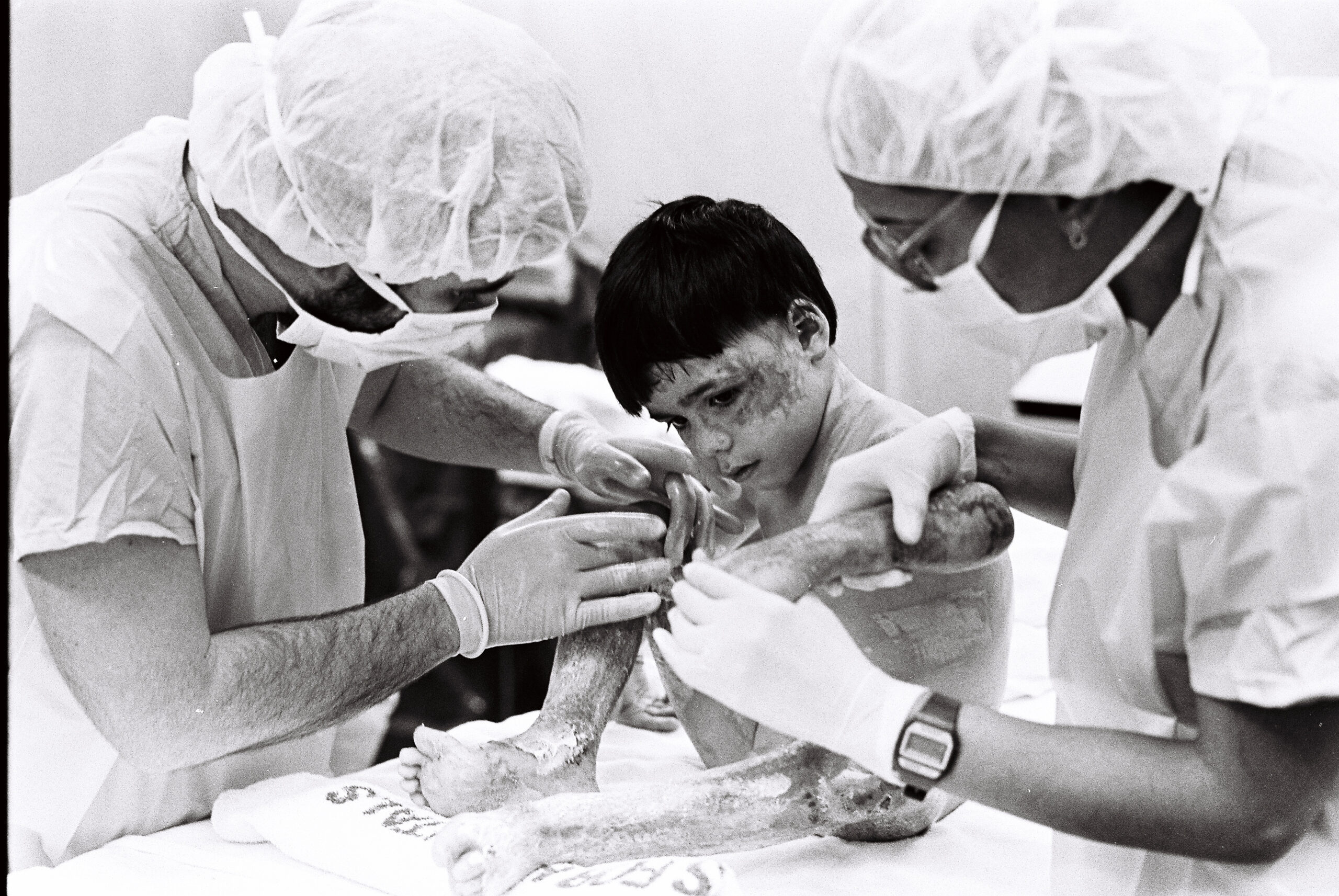
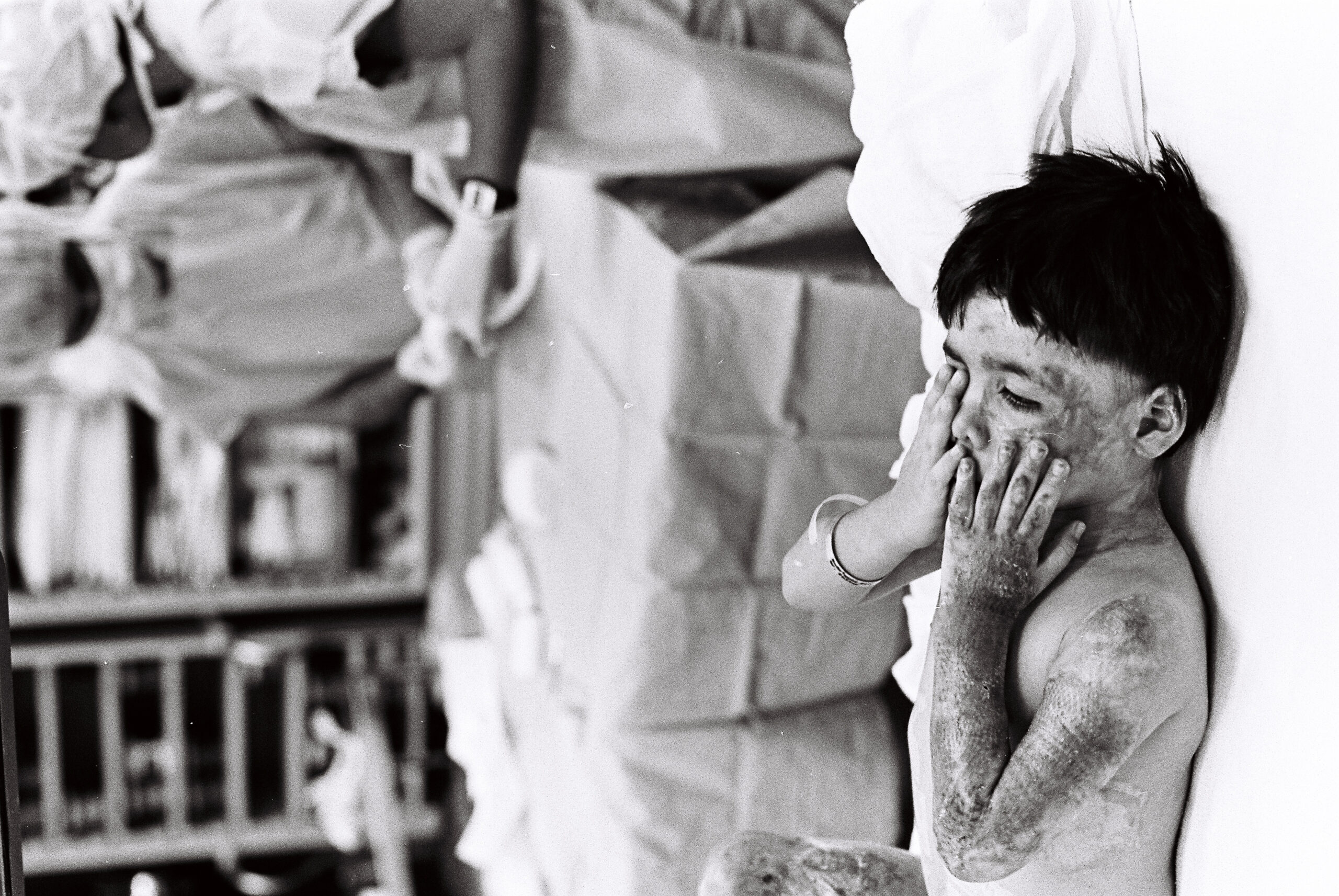
You don't want to be disrespectful. You don't wanna take advantage of people, but you do have to document something horrible happened here, and this needs to be seen.
Bill Bayer
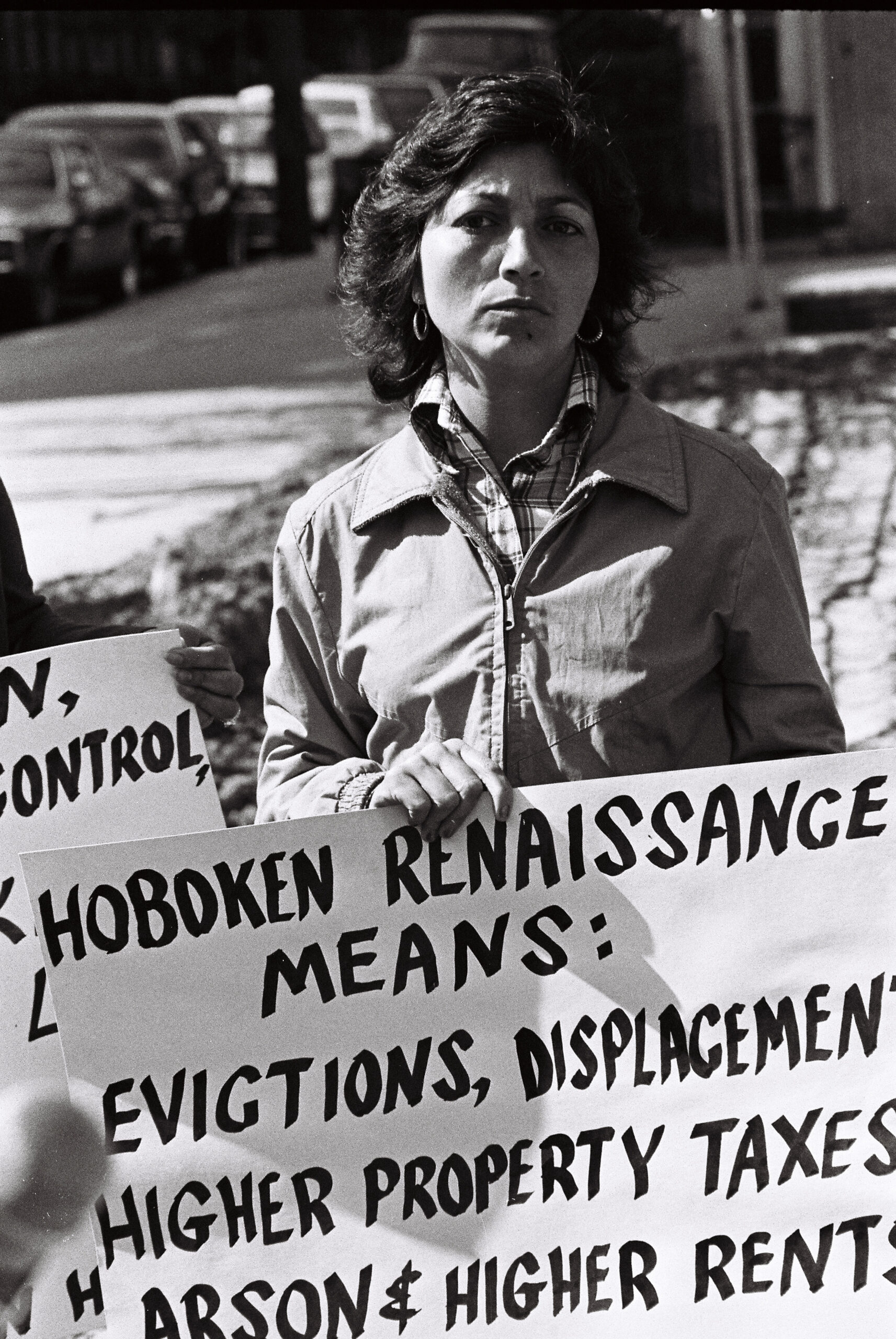
Bill Bayer’s Story
Recorded on November 29th, 2022; Transcribed and edited by Christopher Lopez
Keywords:
unknown history | neglect | luxury housing | detest | gentrification | journalism | fires | wild west | poverty | resilience | diversity | beauty | witness | death | Stokes Basket | icy enclosure | pattern | child trauma | art therapy | neglect | frustration | excruciating pain | horrific | powerful | photos | turning the tide | desensitization | documentation | transparency | change
View Transcript
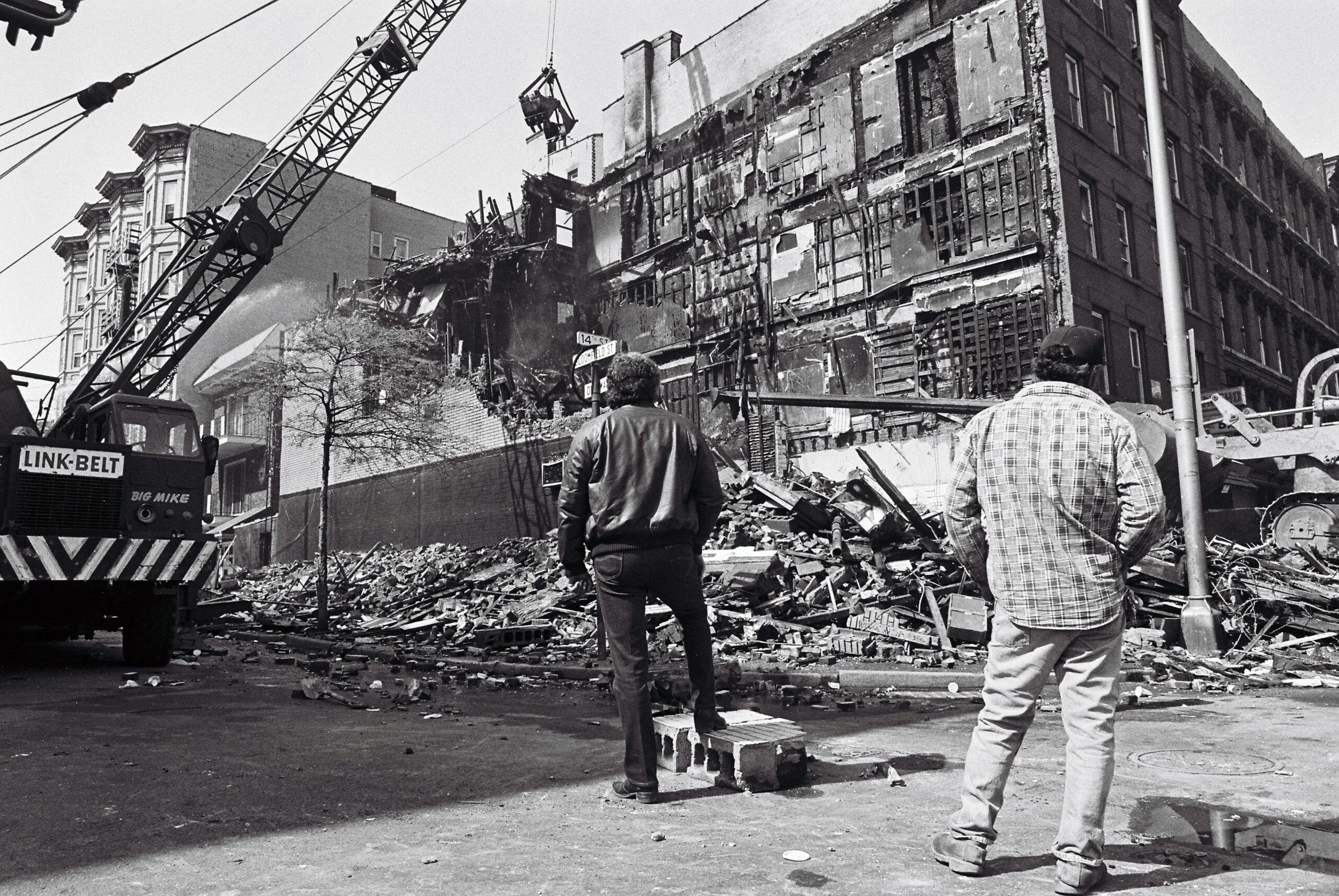
Bill: I started my career doing freelance work for the Herald News out in Passaic, and I ended up in Union City. There was an opening at the Dispatch in 1979. Hoboken, especially, was nothing like it is today. Like, I mean, nothing like it is today. Also, the waterfront all along Jersey City was just desolate. You know? It was like barren fields, you know, no man’s land. And now is, as we all know, like, 30, 40 story luxury housing. That, you know, they don’t have that history. And they don’t care about that history. All they care about is I got a view of New York City and I have luxury housing, and I got a doorman. So it’s a whole different world from 1978, to the present day. When I worked at the dispatch, they were big on any sort of crime, police, fire events. It’s called spot news if you’re in journalism, and, you know, I had a police scanner, had all the fire channels plugged in, and we were always really on top of stuff. We came out with a great portfolio in terms of spot news because they were at that time, there were fires all over Hudson County, Jersey City, mostly Jersey City and Hoboken to be honest with you, and Union City. Those are the 3 hotbeds. You know, and you’re just driving along and then, I’m not making this up, I’m driving along and I would look at the sky to see if the city smoked because I responded to fires that haven’t come over the radio yet. It was like the Wild West sort of atmosphere, you know, just poverty like you haven’t seen, but then resilient people like you’ve never seen, beautiful people, you know, really diverse population here in Hudson County, back then. And, unfortunately, a majority of the fires, the arson related fires, and the gentrification, a word I absolutely detest and hate to this day. They would happen in the middle of the night. We would get a call typically in the morning or a tip, like, 7, 8, 9 o’clock in the morning. Huge fire. Hoboken, go check it out. And sure enough, it was almost routine. That’s the unfortunate part. It was like a routine. Got a call, you know, 14th Street, major fire overnight. There’s a lot of fatalities. Their just starting to bring bodies out. You just run down there, down the hill from Union City and shoot whatever you had to shoot that was there. And unfortunately, there was a lot of death, a lot of people coming out of there, charred bodies in the body bag, coming out on, it’s called the Stokes basket, and the firefighters roped the people down the side of the building, because you just couldn’t carry that, because the hallways inside were blocked by debris and fire damage. They had to get people out, roping them down on the outside of the building, and it just, everyone on the ground, of course, could see everything and see that. I photographed that, like, way too many times, you know, way too many times. To this day, I pull up when I come into Hoboken, if I’m in a car, if I’m driving, up on 30th Street or 31st Street, it borders the tunnel cut going into Lincoln Tunnel. And there’s still a building there. It’s totally renovated. It’s nice and all that stuff, but I covered a fire there. I think 6 people died overnight. It was the same thing. 3 o’clock in the morning, someone torched the hallway, and it just drafted the flames. Drafted up and just set everything ablaze, about 6 people died. And I remember being bitterly cold. I mean, I could take cold, but that I mean to this day, I remember just how cold it was, you know, frozen. And it was the same routine. Firefighters had to chip people out of the water, from the fire hose as it froze immediately, you know, when they were fighting the fire, and they had to literally chip, like, hammer people out of, their icy enclosure and get them in a body bag and put them in a stokes basket and bring them down the front of the building.
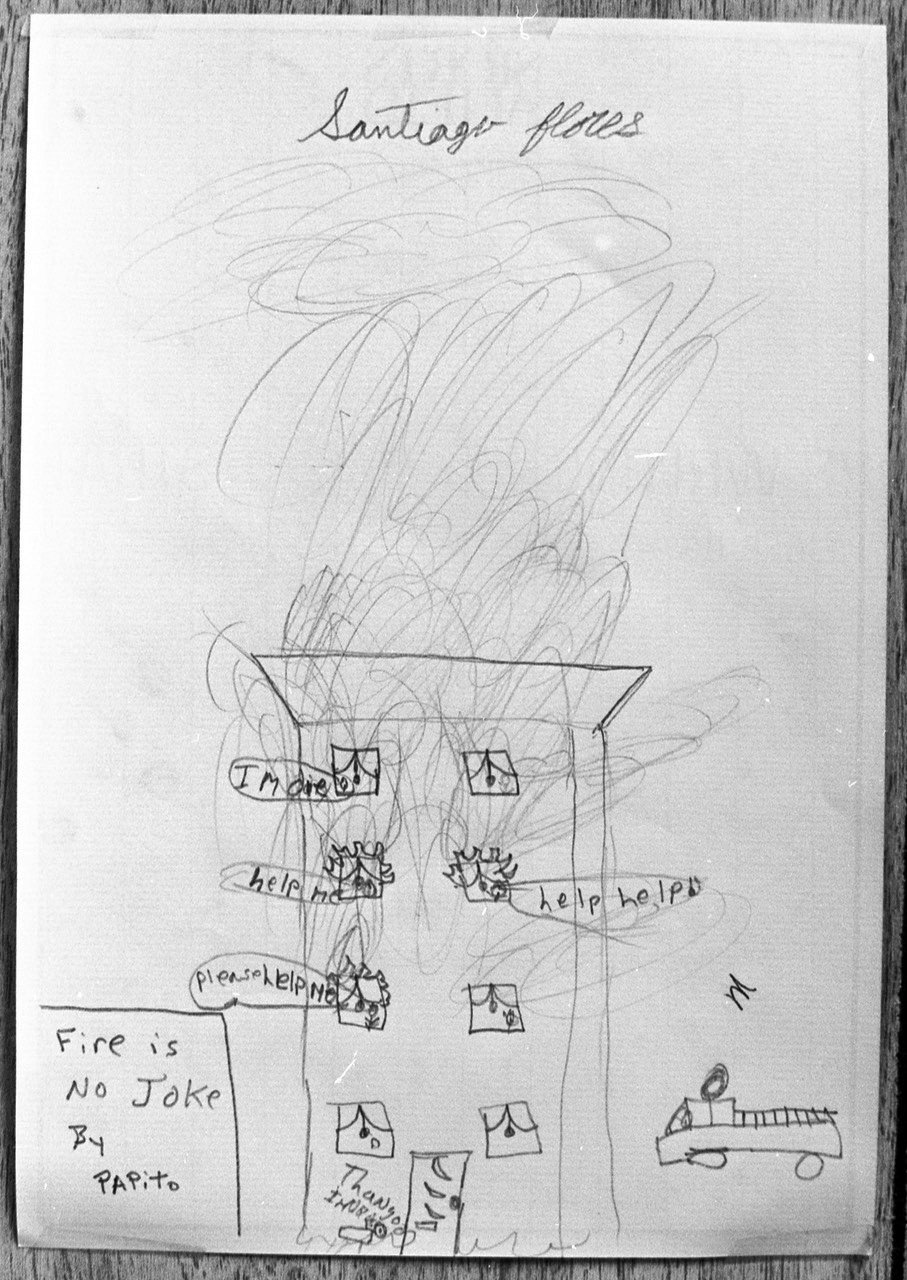
Bill: I realized, we all realized that this is more than just a scattered, indiscriminate fire thing going on in Hoboken. There was a pattern to it. It always fit the same pattern. It always fit in the middle of the night someone torching the hallway, you know, they knew what they were doing. I started working with a reporter, Chuck Sutton. He was a good reporter. He was compassionate. Chuck and I every day, we would both come in. We get in the news from we go, Chuck, what do you got going on today? He says, nothing much. But tomorrow! I’m gonna be meeting with a classroom, an art teacher and her students. And the art teacher asked the students to put into drawings what they experienced or what their thoughts are in the fires in Hoboken at that point because some of the kids were directly affected either by relatives or by friends of friends or other families that they knew, school kids, you know. So the kids did basic elementary school artwork, you know, drawings, and, really, really powerful stuff, you know, showing flames coming out of the buildings and people in the air, stuff like that. So we would cover stories like that. Anything in regards to the fire, fires that were going on at that point. Also coupled with that, we also focused on how people were being vacated from their buildings, you know, renters, how they’re being basically thrown out of their living space so the building could be renovated for more money. You could sell for way more money. So any story like that, we jumped on it and that’s an example of how we existed day by day. And that’s, that’s just on that side. On the other side, the obvious are covering the fires themselves. Honestly, after a while, that grew old because there was no response. There was no, oh we’re gonna tackle this problem. You know, we’re gonna deal with it. We’re gonna find out what’s the root of all evil, what’s going on here. None of that. And, basically, we just get pissed off. We were like, are you kidding me? You know? Like, you gotta stop this. I mean, you can, you have to stop this. Kids are dying. So, lo and behold, we got a call from a burns center, Saint Barnabas Burns Center out in I don’t know, it’s out West a little bit. And there was a doc who, burn doc, who ran the burn unit there, and the burn unit there was always busy. They took in burn cases from all over New Jersey. They were helicoptered in, because they were such a specialty. They were the place to go if you had any serious burns that’s where you went regardless of where you were. So we started noticing the state police helicopter with medical personnel landing in Hoboken Stadium pretty often and getting patients from Hoboken into the burn center in Saint Barnabas. So we got a call from the head doctor there and he was pissed. He was just angry. He kept seeing people coming in from Hoboken. He was just mad. I mean, he went from compassionate to just mad. And he said, you have to see this. I’m inviting you out here. We have a family here from Hoboken. You have to see that. And see what it’s like for these folks to go through what they’re going through. So we jumped on it. Myself, and a reporter, Lena Summ, who’s still working, she’s down at the Washington Post now. We went and we photographed this poor kid going through what he went through every single day while he was in the burn unit. What they do is they peel off the dead skin from your body and they put in… It’s artificial skin layers, if that makes any sense. Applied that, and it was just excruciatingly painful. You could see it. All the folks in that burn unit were on really high doses of various painkillers, morphine among them. That’s the only way you can deal with it, deal with the pain of having your dressings changed every single day. So, I photographed them. His name was Joey, and we photographed him going through this process. And, you know, to do that, the folks that work there, god bless them, you know, they dealt with this every single day, and they just were so clinically professional. Professional human beings, you might say, because to deal with that and then leave there and go home. Like, how was your day? Oh, you know, it’s no easy topic and no one else outside yourself, unless they work at a burn center or in a hospital setting, they can’t relate to it. So you have that. You hold that experience when you go home. Never mind the patients. They hold that their entire lives, you know. So, we photographed this poor kid going through what he went through, in one day, one session. The pain was just quite evident. He had very serious burns, including to his genitalia. It was just horrific, and that really put everyone to the test. I’d bring the pictures back, and I didn’t sugarcoat anything. There’s just no way we’re gonna sugarcoat this. The photos are strong. They’re very strong to this day, and they probably won’t be published anywhere that I think of to this day. But the atmosphere at that point in time in Hoboken was that we have to publish these photos. We just have to. And no one questioned it. All the editors were like, let’s do it. No one questioned it. Oh, it’s gonna upset our readers, you know, blah blah. No. Let’s do this. So we ran a full page of really powerful photos, really powerful. I mean, if if this didn’t touch you, you’re not human. Speaker1: Lo and behold, we start seeing responses from government types in City Hall. The federal government actually came in. They said that they had some protocols, programs that they can do. Go into the schools, you know, educate people. That’s when the tide started turning. It was really amazing to see because you just get so used to seeing something day after day, day after day, day after day, and becomes commonplace, becomes like, yeah. It’s no big deal. It’s just another fire. You know? But those pictures, I think, and the accompanying story really, really, put the brakes on that. On that feeling of it’s just another day. It isn’t just another day. It was a human face of pain, just horrible what this child had to go through and will go through and has gone through. That to me, that was the biggest, biggest thing to hit Hoboken in the government and shook people up, I think, especially anyone in real estate. This put a face on people wanting to empty buildings so they can rehab them and make millions of dollars. This put a face on stopping that. You know? So, we saw big changes after that. You know? You don’t want to be disrespectful. You don’t wanna take advantage of people, but you do have to document something horrible happened here, and this needs to be seen.
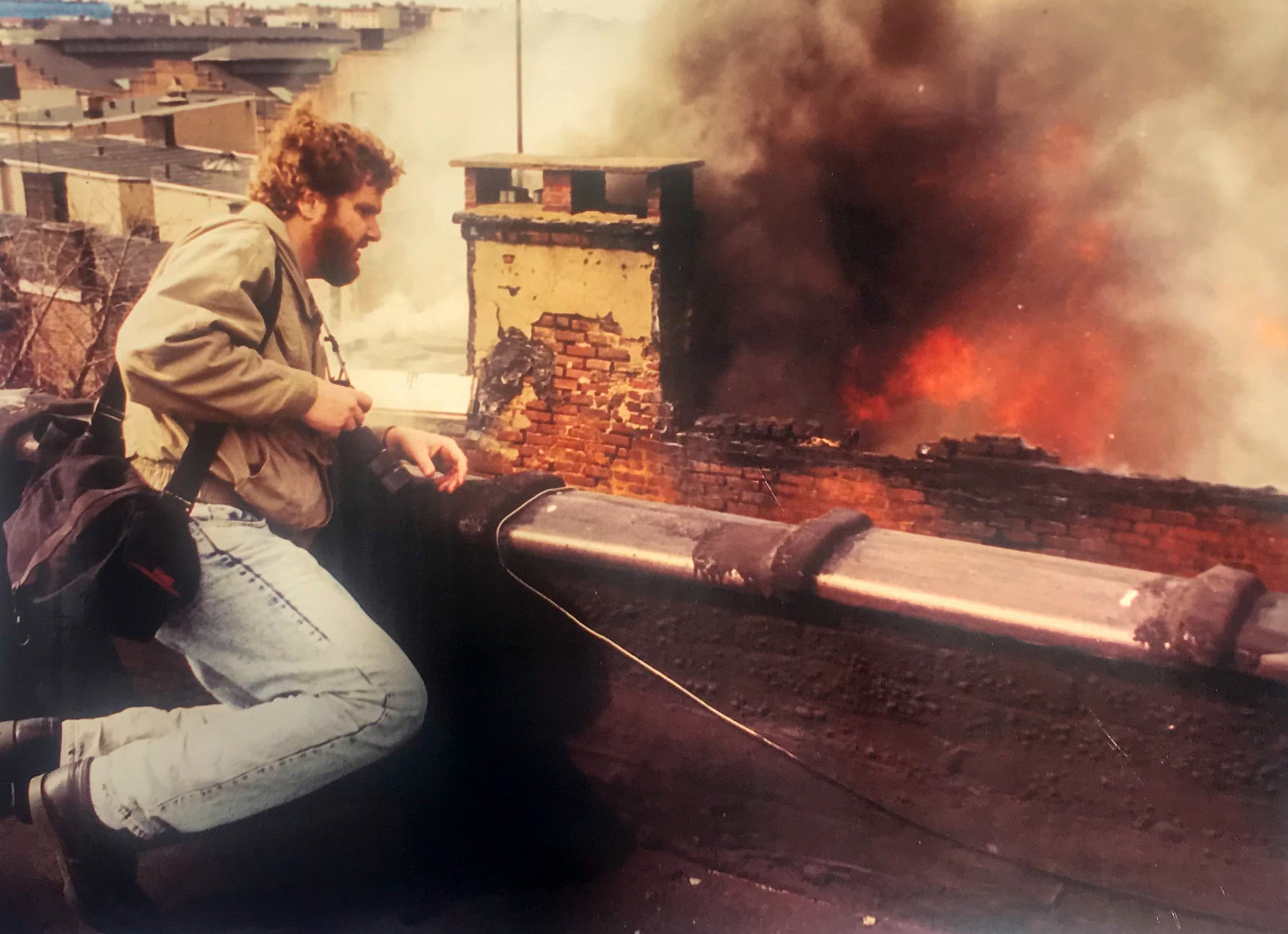
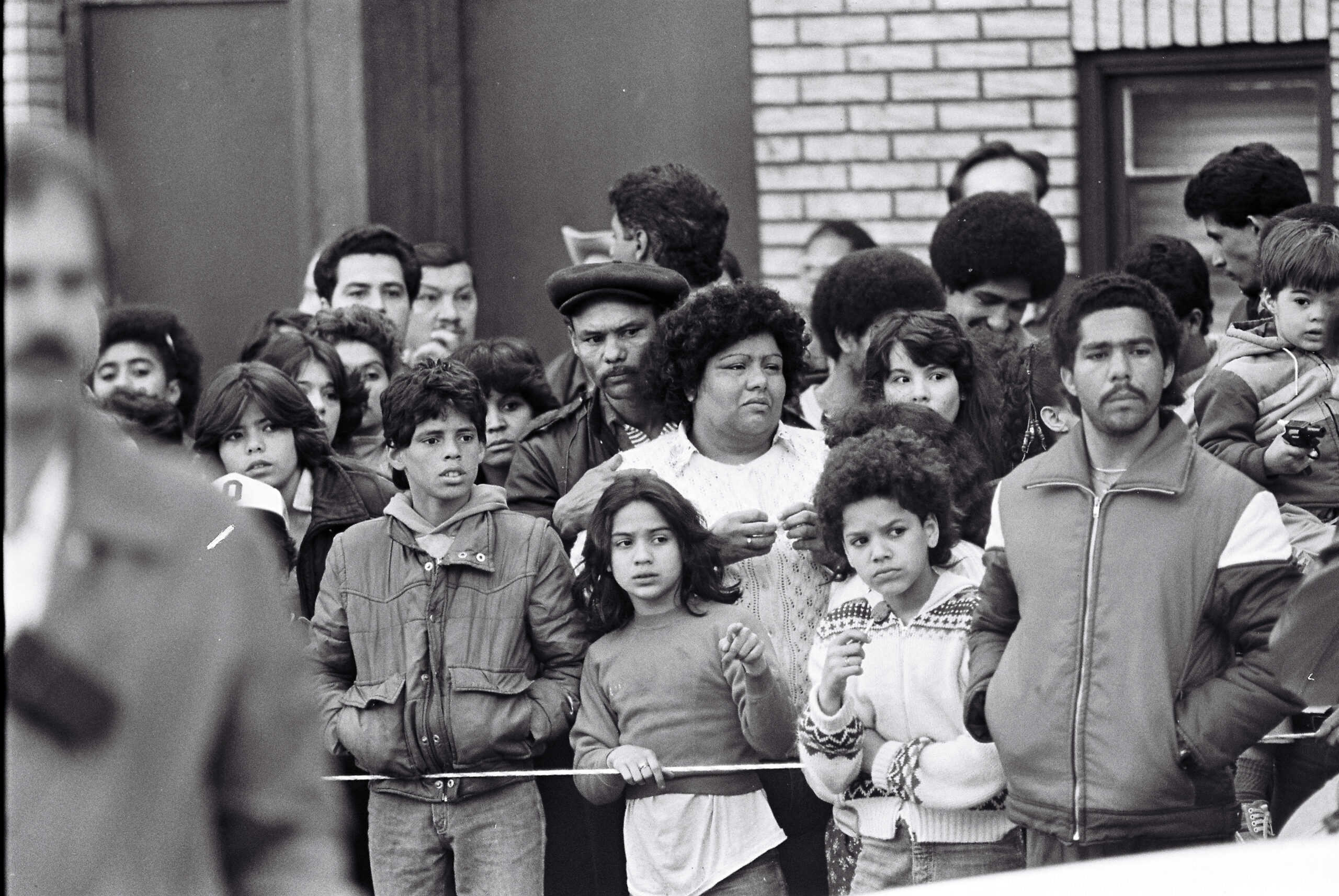
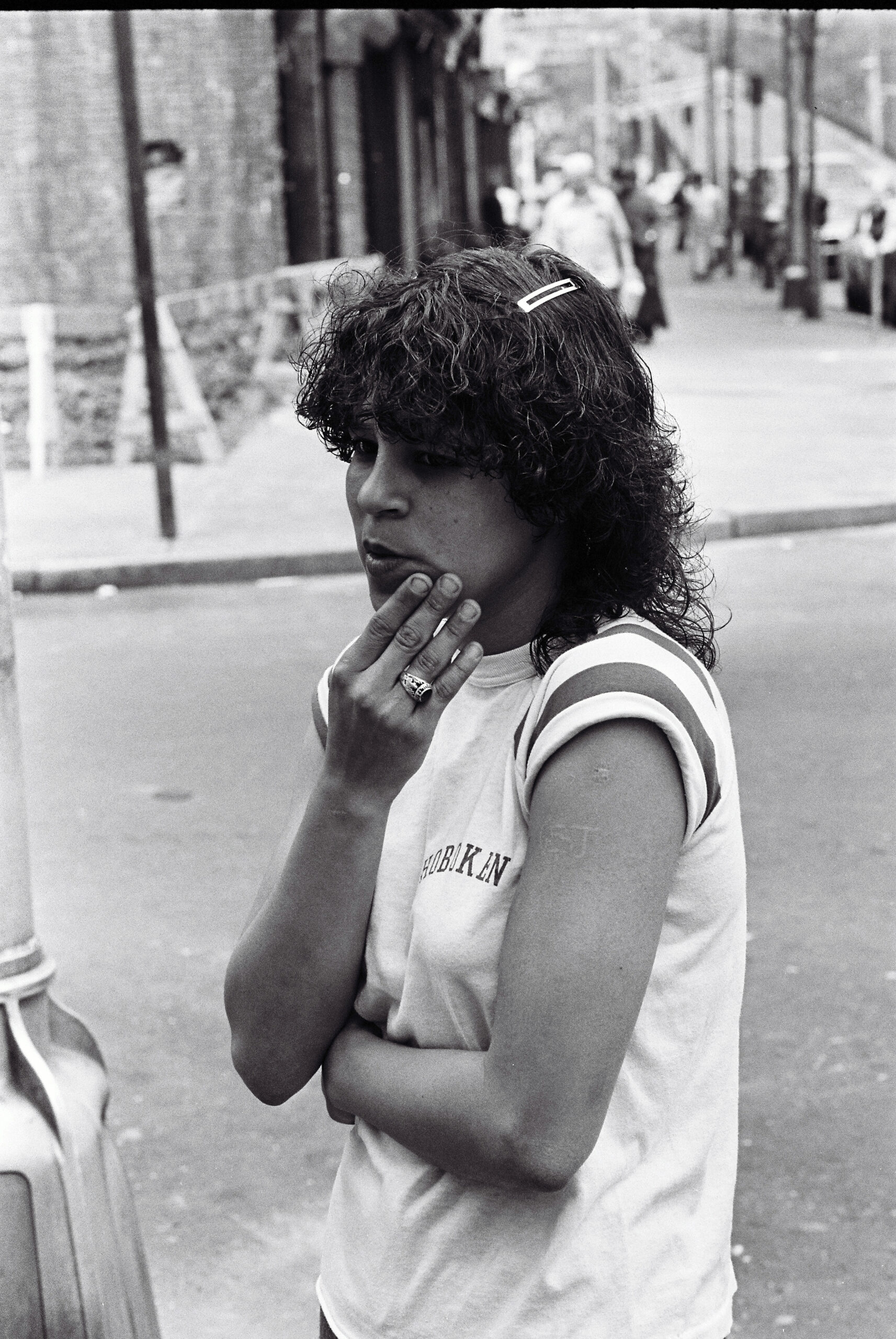
I would look at the sky to see if the city smoked because I responded to fires that haven't come over the radio yet. It was like the Wild West sort of atmosphere, you know, just poverty like you haven't seen, but then resilient people like you've never seen, beautiful people. A really diverse population here in Hudson County, back then.
Bill Bayer