The Negron-Figueroa Family
The Pinter Hotel Fire
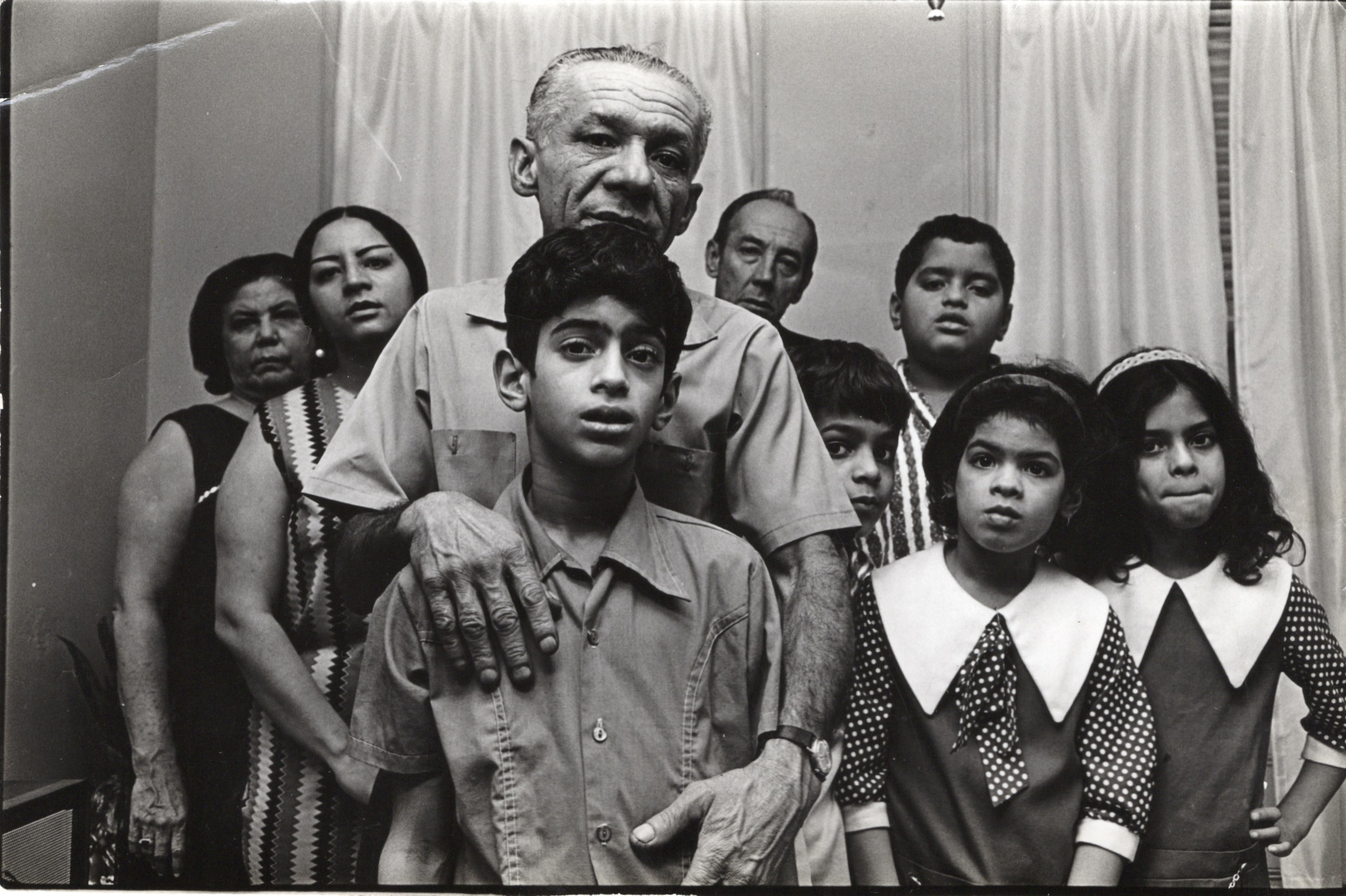
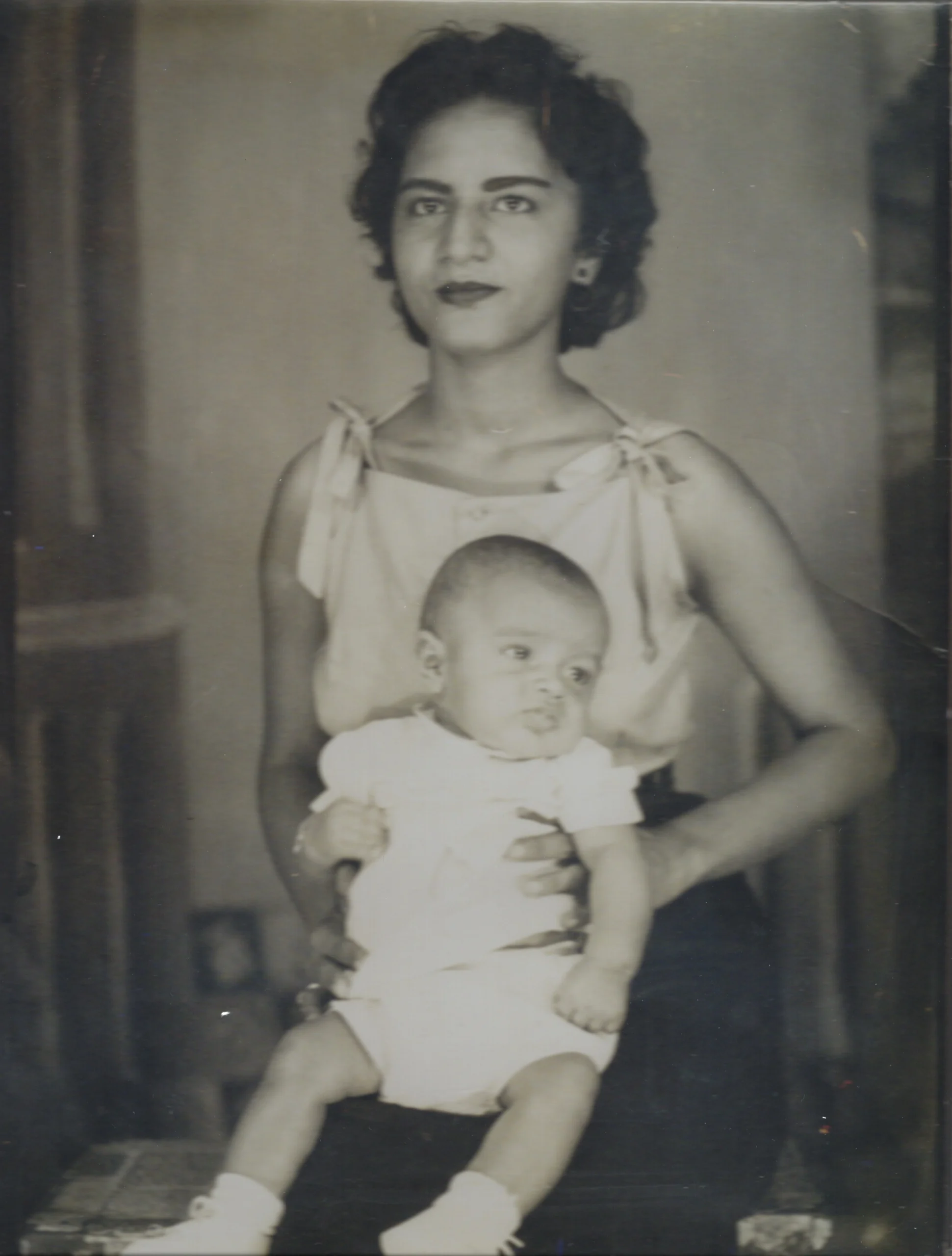
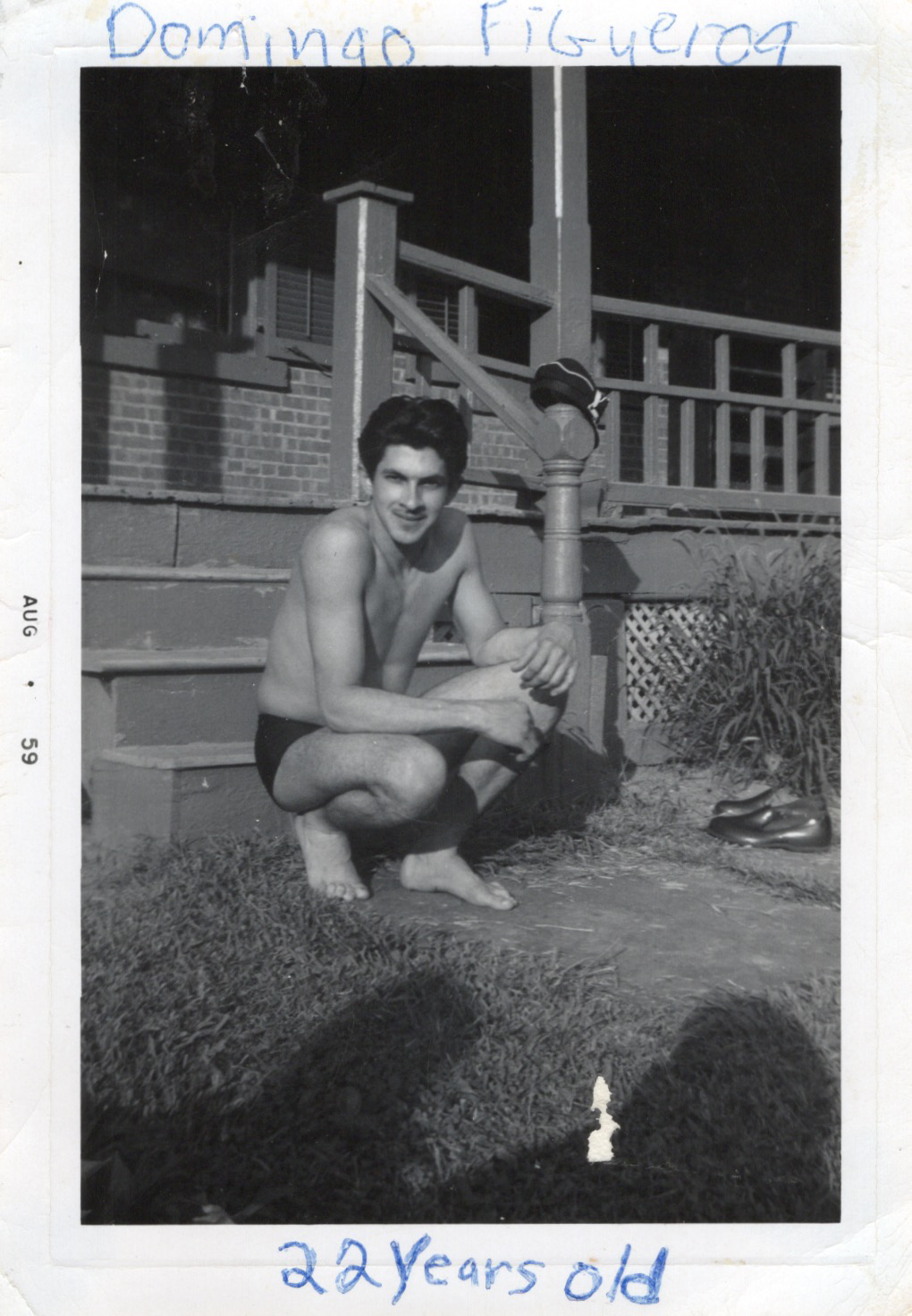
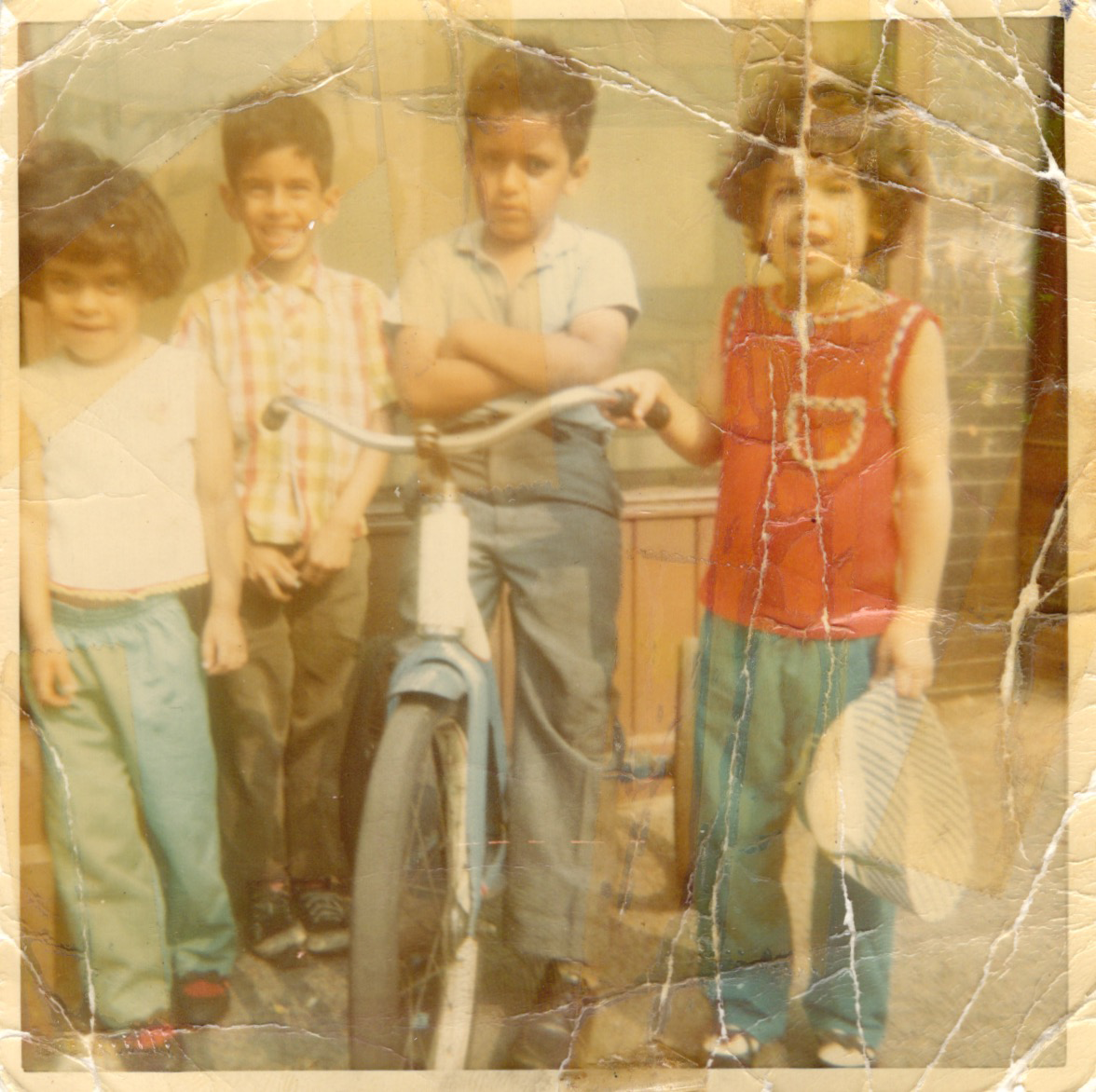
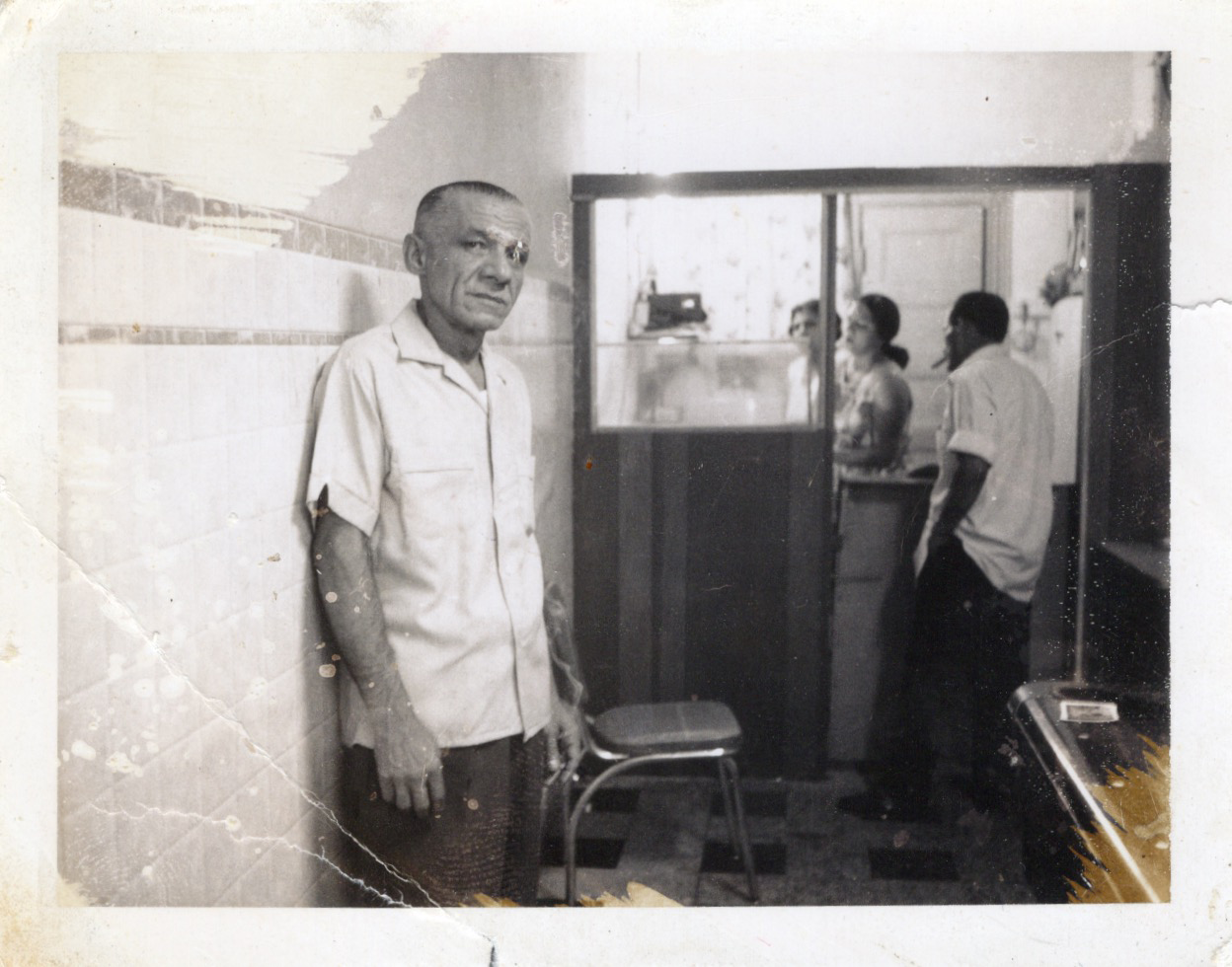
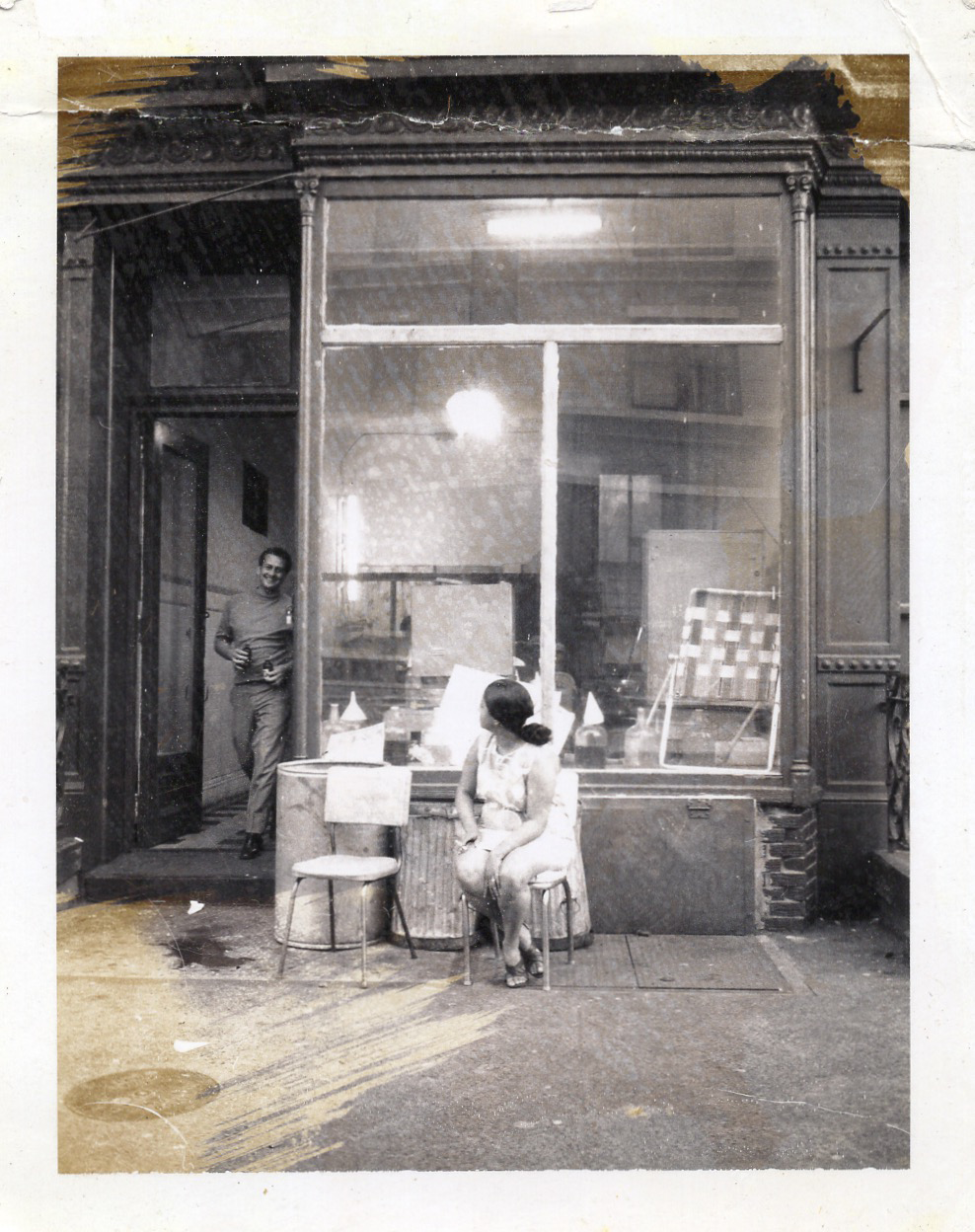
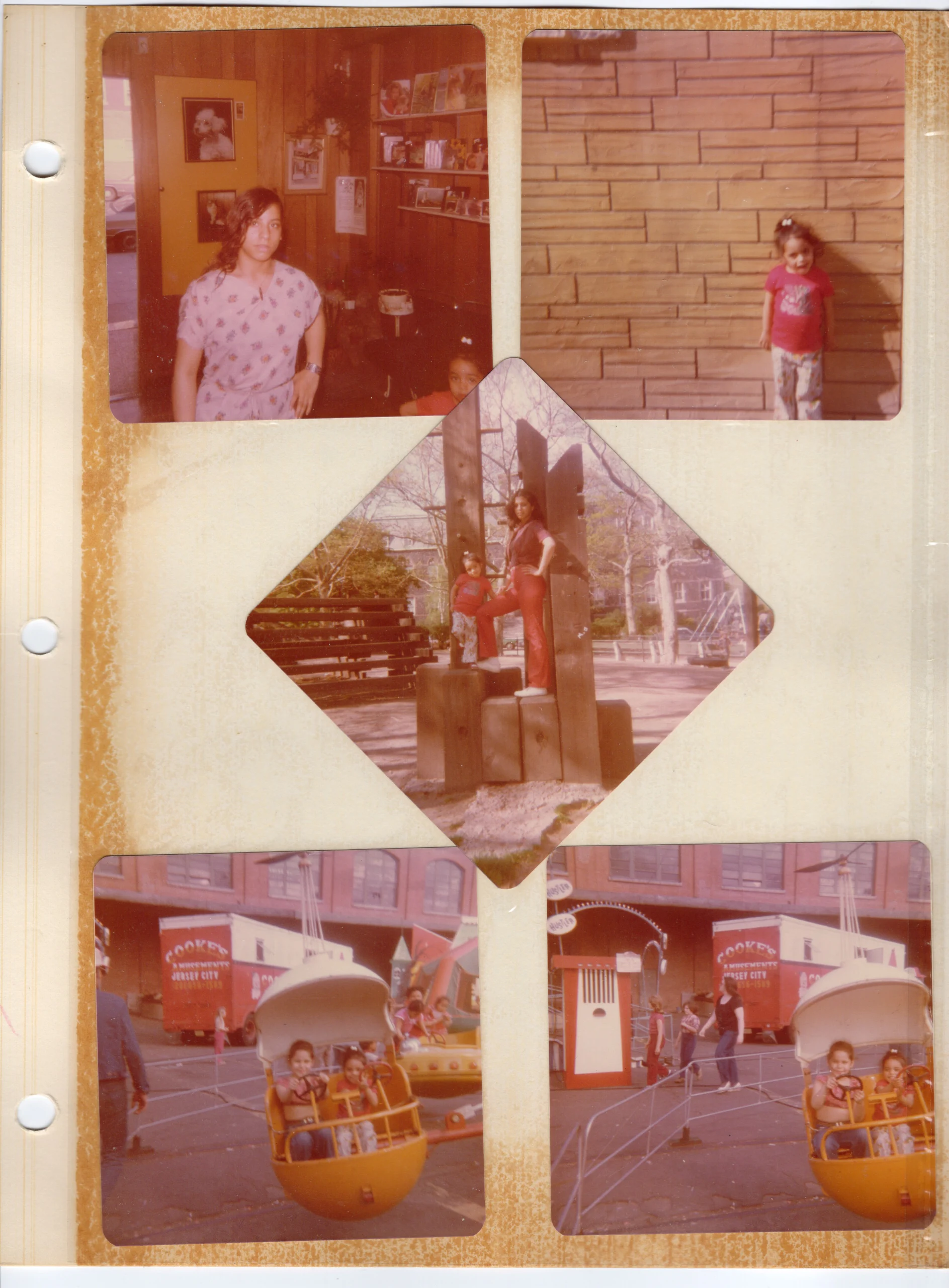
Felix Negron was the first person to migrate to Hoboken from Bayamon, Puerto Rico in 1959. He moved to 1219 Willow Ave and was later joined by his wife, Isabel, and their daughter Carmen Negron. Their migration came as a result of Carmen’s pregnancy of her first born son, Wilfredo Figueroa and the lack of job opportunities on the island. Before becoming pregnant, Carmen was an au pair to a Puerto Rican family on the island that paid little money and treated her poorly. Her father, Felix, was responsible for the family’s move to the United States in search of better opportunities. In Hoboken he established a business as a cuchifrito restaurant and candy store. After his passing his daughter Carmen would take over the business. The Candy Store, as it was called, was located at 161 14th Street and ran successfully from 1966 to 1997. Felix as well lived in the building and Carmen and her children lived across the street at 116 14th Street where she raised five of her six children, Antonio, Carmen, Nilda, Yvette, and Mariyln. Wilfredo, the eldest, was raised by his grandparents above the candy store. This came as a result of having to leave him in their care as she was only 17 when she had him. Four children, Wildredo, Antonio, Carmen, and Nilda share a father, Domingo Figueroa, who left the family early on as he could not financially support them. Carmen’s fourth child, Yvette, is the daughter of the prominent Puerto Rican civil rights activist Juan Garcia who established the organization CUNA, Citizens United for New Action in Hoboken. Yvette, and Carmen’s other children, were introduced to activism at a young age due to their relationship with Juan. They participated in tenants rights demonstrations, and helped people in the community with translations for court appearances. Marylin, Carmen’s youngest child, was fathered by Jorge Monroy, an Ecuadorian migrant who spent forty years married to Carmen and who most of the children consider their father. The Negron/Figueroa family were a part of a burgeoning Puerto Rican community in Hoboken between the 1950’s and 1980’s which was ultimately devastated by violent displacement and an arson epidemic due to gentrification. Carmen Negron was the last of her family that remained living in Hoboken. She passed away in July of 2024.
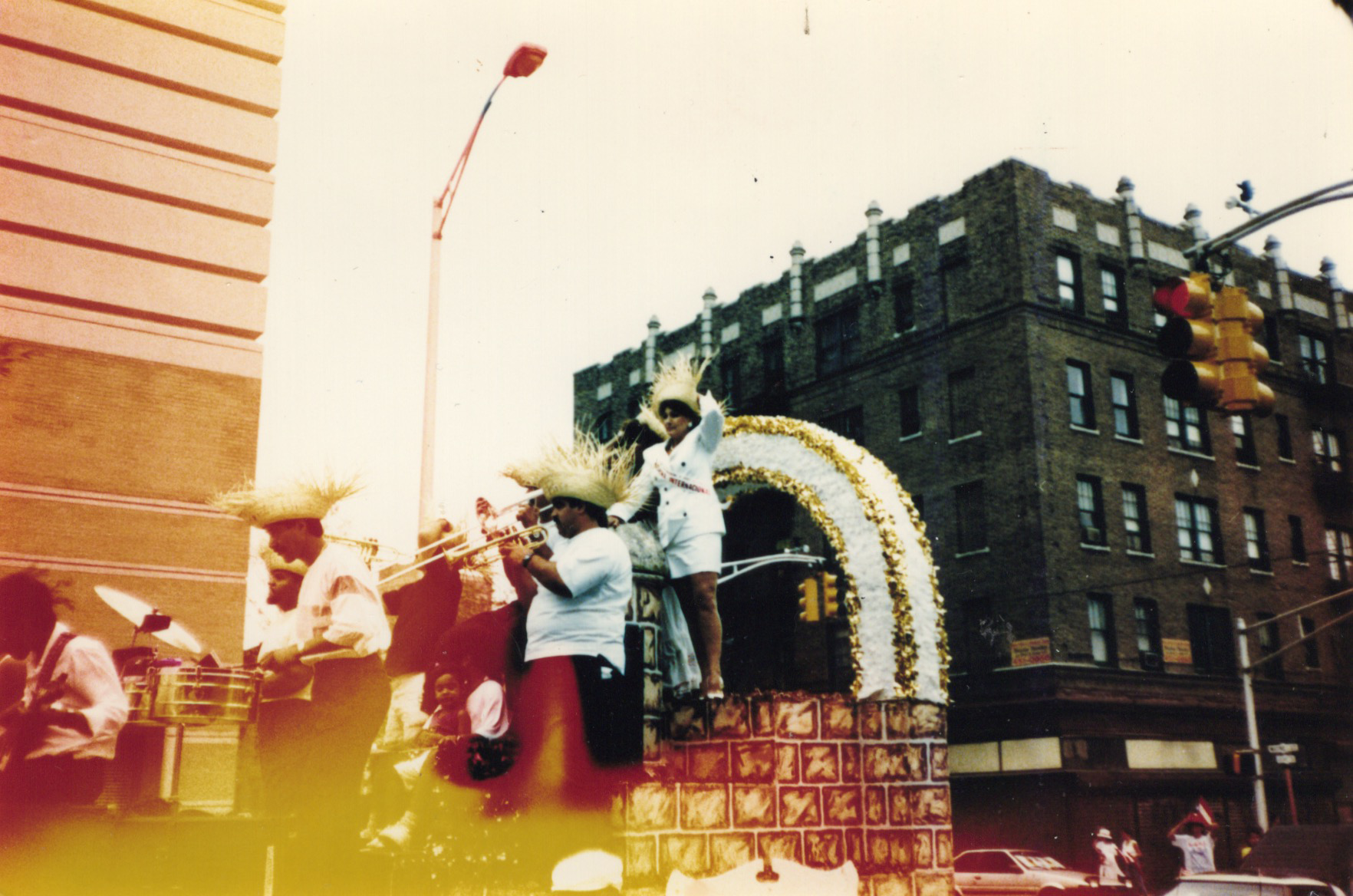
A realtor went by and tried to bamboozle my mom out of there, like, kinda forcing her out. And I got in the conversation. I said, excuse me, what you're saying right now is illegal. You can't force my mom out of here. She's not leaving.
Nilda "Chicky" Figueroa
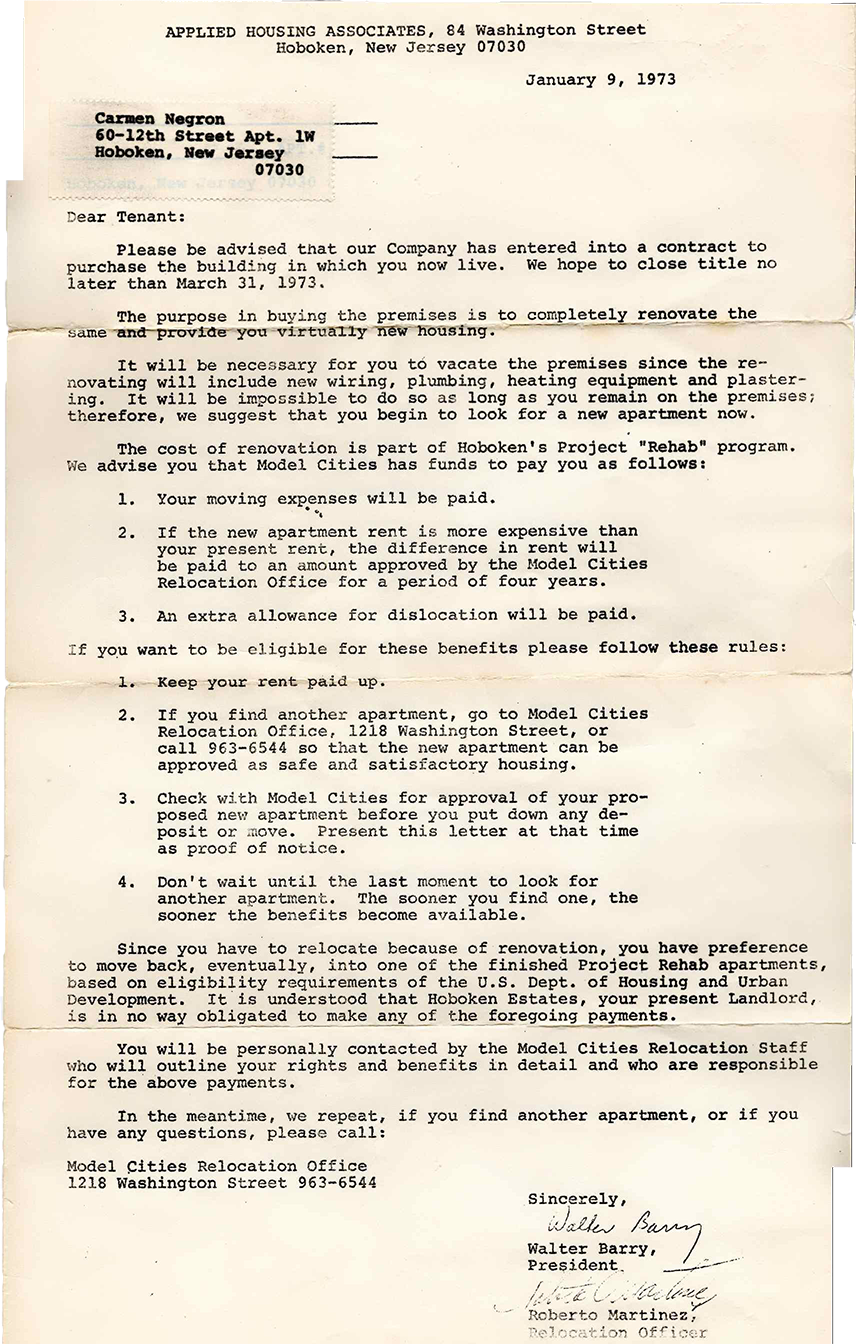
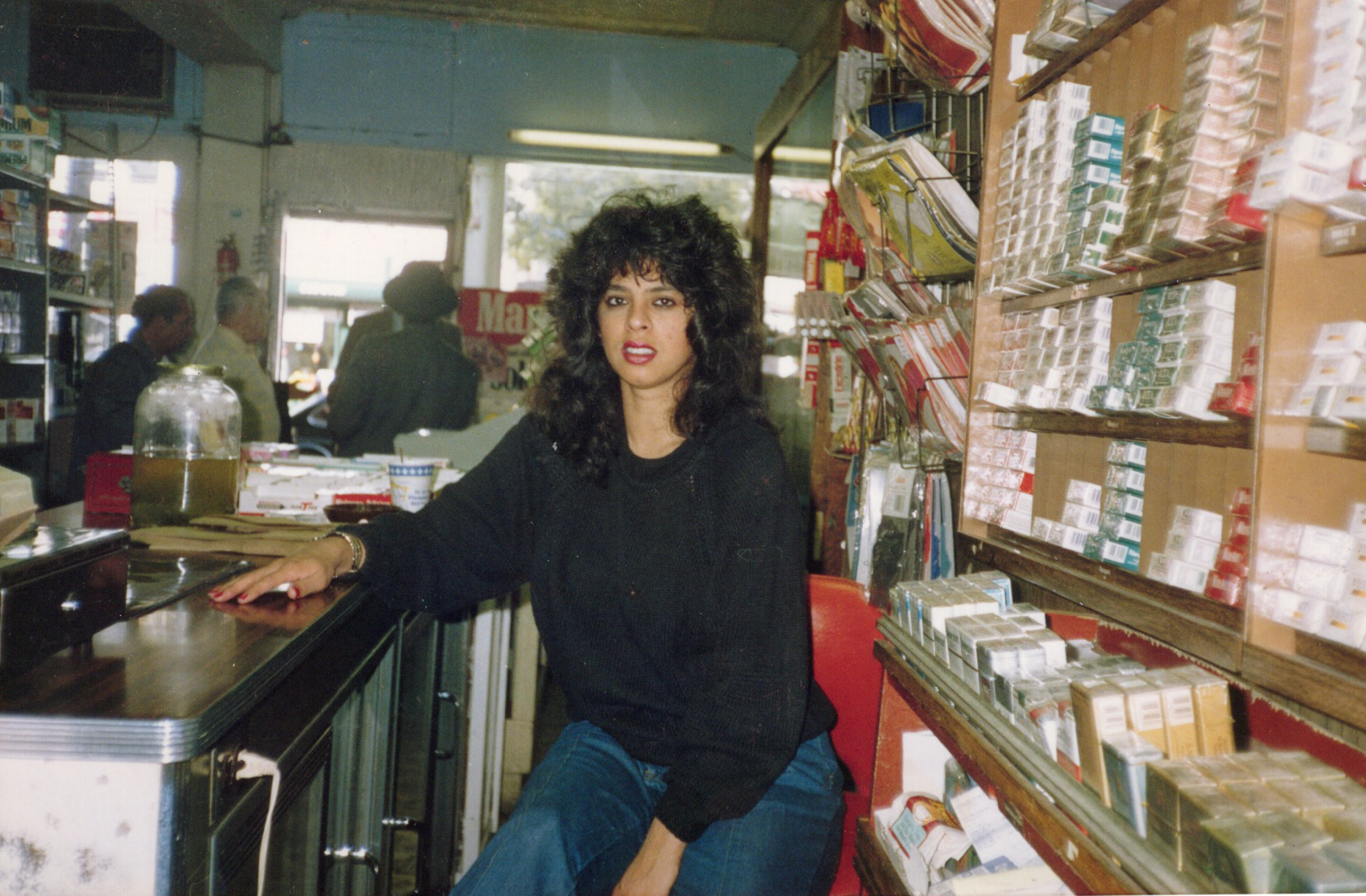
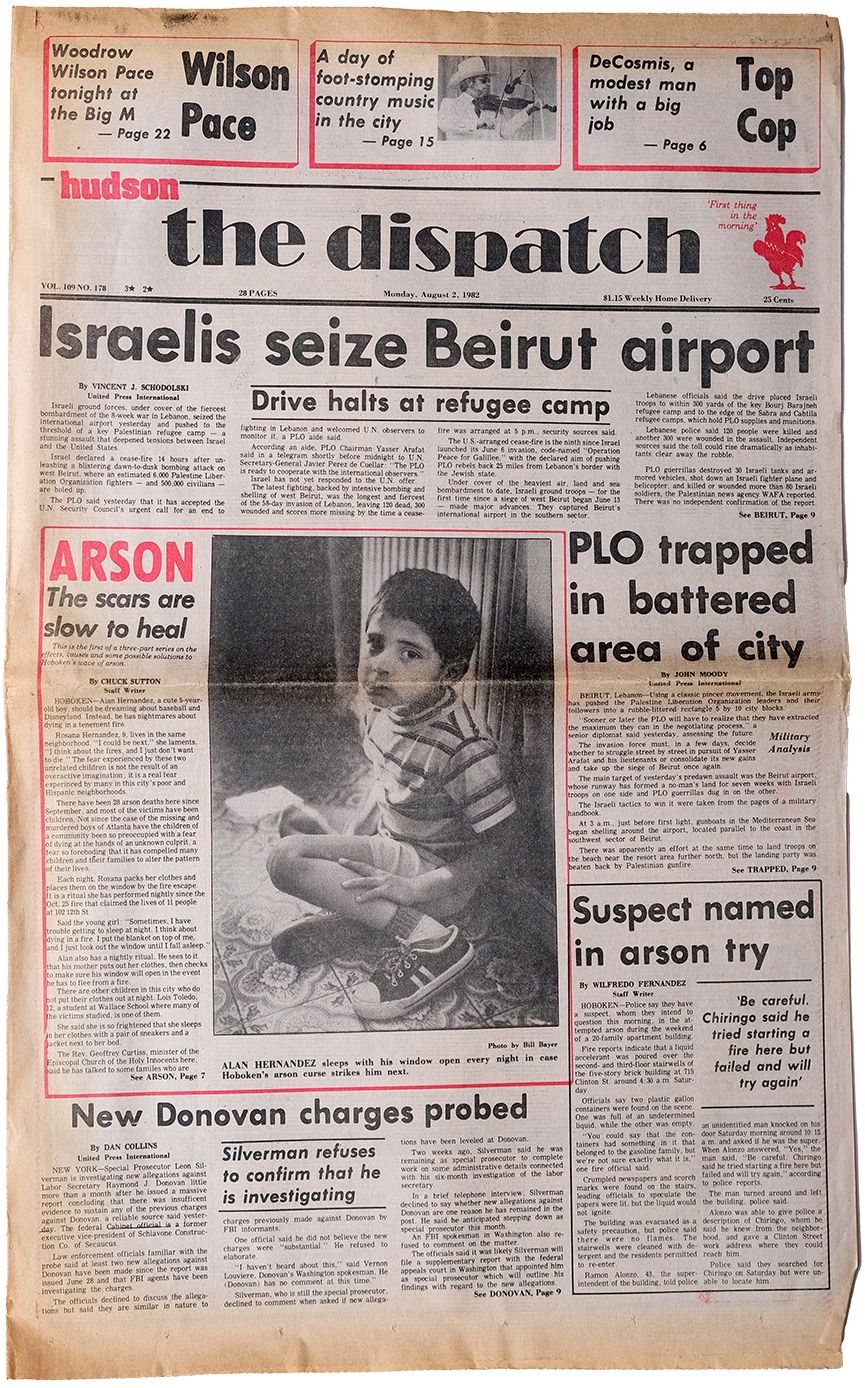
There was this lady that lived on 159 14th Street. That building, the people that were there, took the money, whatever they offered them so they could leave their place. This one lady didn't want to. She had 2 twin boys. They waited for this lady to go food shopping, went in, and burned her apartment down.
Nilda "Chicky" Figueroa
Nilda "Chicky" Figueroa’s Story
Recorded on January 9th, 2024; Transcribed and edited by Christopher Lopez
Keywords:
Model City | Cappiello | turned the other cheek | death | lack of prosecution | sadness | love, warrior | CUNA | Juan Garcia | Puerto Ricans | care | bamboozle | eviction | non-english speakers | translate | knowledge | dreams | Jimmy Lisboa | Pinter Hotel | witness | traumatic | The Candy Store | refuge | tragedy | prejudice | discouragement | Hispanic community | gone | pride
View Transcript
Chicky: I could tell you that my mom told me stories about before. Years before they decided they were going to do what they did because they already had it in the plan. In Hoboken’s headquarters. It was called Model City. And, this one insider that was acquaintance with my mom, told my mom, I think he was a realtor. You should purchase property because this and this is gonna happen. It’s gonna happen. It’s in the plan. But, you know, for some reason, my mom didn’t do that. She didn’t do that, but, you know, the man was right. What we did know, all those persons…like, if you’re in there, you die. That’s how it went down. And the thing is that no one did anything about it. Everyone looked the other way. Cappiello, everybody, cops, you name it. It was a free for all. This is gonna happen, and nobody’s gonna prosecute anybody. Yeah. It was sad. Very sad.
Chicky: Did my sister tell you about the professor where she works at, he did a play on that. I went to that play. It was the last day, last show. I had to hold my tears back. I don’t know if you saw the play?
Chris: I saw it.
Chicky: I was holding it for dear life. My sister cried. She couldn’t help it. I had to turn my face away just not to look at her. And it’s sad because we still love Hoboken. My mom’s still in Hoboken. My mom, she’s a warrior. She’s 81 years old, and she still thinks she can hit you with her back bastón if she has to. (Chris laughs) Yeah, she’s like that. Where we lived in 116 14th Street, a couple of years before things started to happen, there was a realtor that went by. I wanna say I was, like, 17 years old. A realtor went by and tried to bamboozle my mom out of there, like, kinda forcing her out. And I got in the conversation. I said, excuse me, what you’re saying right now is illegal. You can’t force my mom out of here. This was years before this happened, and she’s not leaving. We’ll take it to court, he goes, oh, you’re feisty, and you know a lot. And I go, yeah. Because back then, I don’t know if Bibi mentioned, my sister, that her dad, her biological dad (Juan Garcia) had an organization called CUNA(Citizens United in New Action). He was for the people, for the Hispanics in general, not necessarily Puerto Ricans, but there were a lot of Puerto Ricans back in the day in Hoboken. He always made sure that the people were taken care of and that others could not bamboozle them into doing something they didn’t want or illegally evicting them or trying to do anything that was against the law. And so he taught me a lot when I was young and he used to have me go with certain adults at the time that did not speak English, so I would help them. I would translate for them. I was young, but, you know, I didn’t care. I wanted to do this. Going to court, helping them out, and do what I had to do. This realtor, I told him no. You know, you can’t do this. My mom’s not leaving. So he actually offered me a job at the realty place because the receptionist that was there had given labor and they needed somebody to take over. So I said, okay. I took her summer job there. It was just for the summer, and the guy couldn’t do anything with my mom because I told him you can’t. We’ll take you to court. You can’t do this. This was years before everything started to happen.
Chicky: The one that stuck in my memory, and I know my sister too because we were right across. My mom had that store, that candy store that’s now owned by someone else. They kinda, like, put it in half, but my mom had both sides. My grandma and my grandfather had a Cuchifrito in 161 14th Street. Right when you get in towards that corner, there’s like a bar there or something. I don’t know. It was always dark. The building right before that, the second one, 161, my grandmother lived there for years with my brother. My brother passed away. I don’t know if she told you?
Chris: No
Chicky: When they came from Puerto Rico, they lived on Willow and then they moved to that building on 161. They were on the 2nd floor, and they were there until she died. My grandfather died. And my brother, at 49 had an asthma attack. His heart couldn’t take it, and he passed away there.
Chris: That’s terrible.
Chicky: Yeah. And let me tell you something. Believe it or not, you got time for this? Because I love talking! (Chris laughs)
Chris: Go ahead girl that’s why I’m here!
Chicky: I just don’t want to throw you off track, but I just wanna give you the story. My brother, that was, alright, Crystal’s 18, that was 17 years ago when he passed away. I was living in Florida, for 20 years, and I came back, now it’s been almost 11 years. But, one of my trips, I would come and go for Christmas, and I would spend New Year’s and then New Year’s Day, I would leave. I remember my brother taking me to the airport. It was really shitty weather. It was like, sleet, snow, it was terrible. And he goes, you know, only a brother would do this. And I go, really Willy, I really appreciate this. So I left. On the second or the third day of me being back in Florida I had a dream. I call my sister, Nelly, which is the oldest. She’s just a year older than me. And I go Nelly, I had this weird dream about Willie’s building. I had a dream that I was standing outside of his building. I was calling 2 men that were walking by, and I was in such anger because I was telling the man, look! Look what they did! And the building was condemned and grayish looking and the window of my brother’s room was somewhat open from the bottom. And I was telling the men to look, look, this is terrible. So when I called my brother on a three way with my sister, because she forced me to do that, I tell him the dream, he said, man Chicky, I don’t like that dream. And I told him, Willie, that doesn’t mean you’re gonna die. But because there’s so much shit that’s happened with the fires, you need to be careful. Just be alert in case something happens and you need to run. This could be a warning that that could happen in your building. Those are my thoughts. I dreamt that January 3rd. He died February 6th. Literally, a month later. I was shocked beyond shock. Obviously, devastated because that was my oldest brother. He wasn’t raised with us. He was raised with my grandma. But that was my brother, and I could not believe that that was a warning. And he actually said, I don’t like that dream. He knew somehow, like, this has to do with death. And I told him, Willie, it doesn’t mean you’re gonna die. It could mean that they’re gonna burn the building down. You just have to be careful.
Chicky: I wanna talk to you about, I’m sure my sister must have talked to you about the fire that was right across from the store. The rumors were that they paid this guy that I actually know. I think it was Jimmy Lisboa. That’s the rumor. That was the rumor between the young folks because even if it was a rumor, I don’t even think that guy got interviewed. I don’t think anybody was searched for to be honest with you. But all the teenagers, everybody my age knew that he was a suspect because they were saying Jimmy did it, but nobody did anything about it.
Chris: We’re talking about the Pinter Hotel?
Chicky: Yeah, That’s the one.
Chris: Did you witness the fire?
Chicky: Yeah of course I did. I was there. My mom witnessed the fire. We all did. It was so traumatic that my mom was outside screaming and screaming because the people were either throwing themselves out the window or burning to death. There was a family on the first floor and she had little kids. Her husband was working the night shift. And people were screaming, throw your kids down! Throw your kids down! She was scared to do it. She finally did it. Then she threw herself out the window. They caught her and they brought her to my mom’s candy store. Her and her kids. Her husband came running into the store. He was going crazy. Please, please, it’s okay, she’s in the store and he ran into the store and saw his family. During that time, my mom opened the store because she knew the firemen, it was cold. It was a cold day. And people were just going in and out. People needed refuge. So my mom opened this store, a que hora de la madrugada, that shit happened, I just know it was way before 5 in the morning. I remember one girl that I know. I didn’t really, I think maybe Bibi knew her better, Yvette, because she was younger. She was more like my sister’s age even though I knew this girl. She was sort of tomboyish, and, she jumped out from the top floor. She broke her legs, but she survived. I never saw her after that, but she survived. Her sister did not. Her other baby, they died out the window. That was tragic. I mean, you could see half of her body sticking out. That was bad. It was hard.
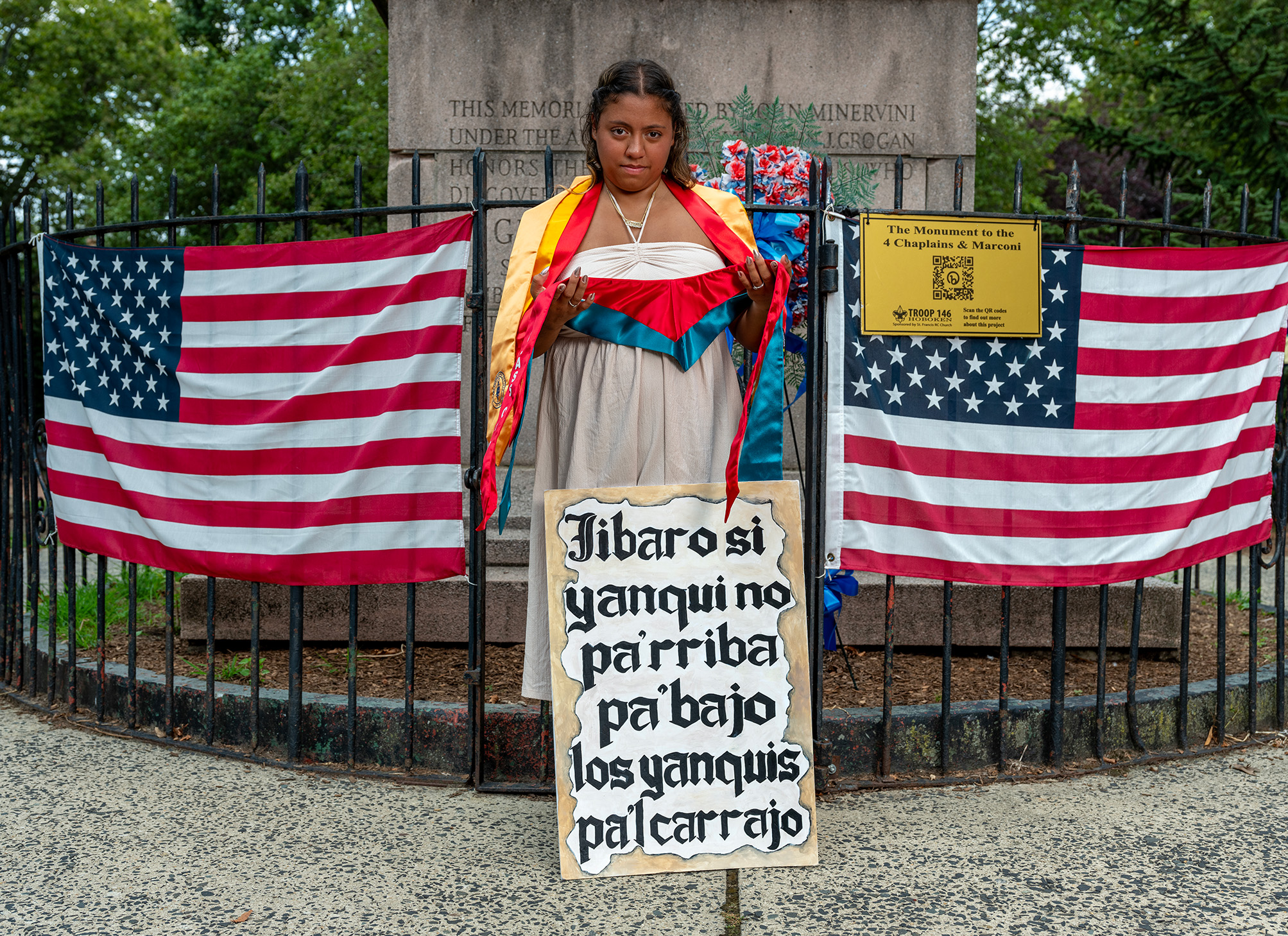
Chicky: I remember going on my 10 speed bike with my, I wanna say with my brother. Not the oldest that passed away, the other one (Tony). Going downtown to First Street to where headquarters was and watching the riot. My father, her dad (Bibi), which is my stepdad, got together with Black Panthers in Hoboken and started a riot. He got arrested and my mother got arrested. And they were hitting them with whatever. They did riot. I remember this saying, Jibaro Si, Yanqui No, Pa’arriba, Pa’bajo, Los Yanquis Pa’l Carrajo. I remember saying that young. I remember going to First Street and seeing the commotion. Then when I became a teenager, because when that was happening, during the riot, I was way younger. But when things calmed down and things got better, that’s when I learned how to go to the court, how to help the people. Whatever you told me to do, I would do. And there, it was where the kids would come in from after school, hang out. They had counselors if they needed a counselor. And as I got a little older, it was there at CUNA.
Chicky: We formed, like, a softball league for the girls and my friends, because, you know, they were not scared of the ball, They would play softball and would play against others. I would not play, I would just sit and cheer for them because I was scared of the ball. But, yeah, I was like, oh, no. That ball’s not gonna hit me.
Chris: What was the name of the softball team?
Chicky: Las Tainas. Yeah, I think I have pictures of our colors, it was purple, and then it had Las Tainas. Then our horoscope sign somewhere on there. I still stay in touch with 2 of the girls. One lives not so far from here, and the other one is in Puerto Rico. But, yeah, they would play, and it wasn’t just a bunch of Puerto Rican girls. There was, maybe 1 or 2 white girls that would also play with us. The thing is he wasn’t prejudiced (Chicky’s stepfather) and neither were we against anyone. Like, over there, I remember that’s why I tell my friends, when I was growing up, I really didn’t feel…I didn’t feel it (prejudice) maybe because I didn’t look for it. I was young and I wasn’t into that. I was just into hanging out and having fun. I didn’t feel any type of prejudice towards me. But as an adult, thinking back in high school, I do know there was prejudice, especially with a counselor from high school. It was a man. He did it to me, and he did it to my brother. I remember struggling. I was already in the 11th grade, already half a year until…I wasn’t feeling part of being there. I don’t know. I can’t describe it. I just felt older, and I felt like there were a bunch of kids, and I just don’t wanna be here. But I finally went up to him so he could counsel me, and he said, yeah, you know, I think the best thing you do is to quit. Just leave and go to vocational school. I think that’s what he told me because that’s exactly what I did. After half of the year being in the 11th grade and the same thing happened to my brother, my brother went to him. My brother’s older. That’s the one that passed away and had the same issue. And that’s the advice he gave. I mean, he never really gave the Hispanics or the minority good advice, but we didn’t know any better.
Chris: This was a white man.
Chicky: Yeah. Exactly. But then as I got older, you learn and you start to think about it. I didn’t, I never felt prejudiced, but then I started thinking, you know, this man could’ve counseled me and to say, look, you only have half a year, just, do this or whatever. No. And he did the same thing to my brother. But my brother, when he left school he joined the army and he finished high school there. He finished , he graduated, and he did 4 years in the army and then he came back home. And then he got the job over by the post office, and he worked there till he passed away.
Chicky: There was this lady that lived on 159 14th Street. That building, the people that were there, took the money, whatever they offered them so they could leave their place. This one lady didn’t want to. Una señora, Puerto Rican, bajita statured. She had 2 twin boys. They were already a little older. I wanna say they’re now my age I would assume because I remember them being little like me. This lady, she was the last one and she did not wanna leave. They waited for this lady to go food shopping, went in, and burned her apartment down.
Chicky: I’m sure the people that you spoke to that were in the fire and survived, they have to be traumatized. That’s not something you can get over. I wasn’t in the fire, but I witnessed it. I can’t sleep without clothes. I have to make sure that I have like, una batica, with pants because if I have to run, I have to run. I cannot sleep because that’s in my mind. I’m like, oh, no. That’s not gonna happen to me. And then I where I’m at right now, I’m always looking at the window, but I told my will I get hurt? You know? I wasn’t even in the fire. So I can’t imagine those people that you interviewed. You think you could be next. You think you could be next. Or what if? Every time I hear, like, the fire department, I can’t tell you, where I’m living right now! I hear them all the time. I hate it. I don’t like hearing it. It kinda freaks me out. I cannot sleep not prepared. I have to be prepared.
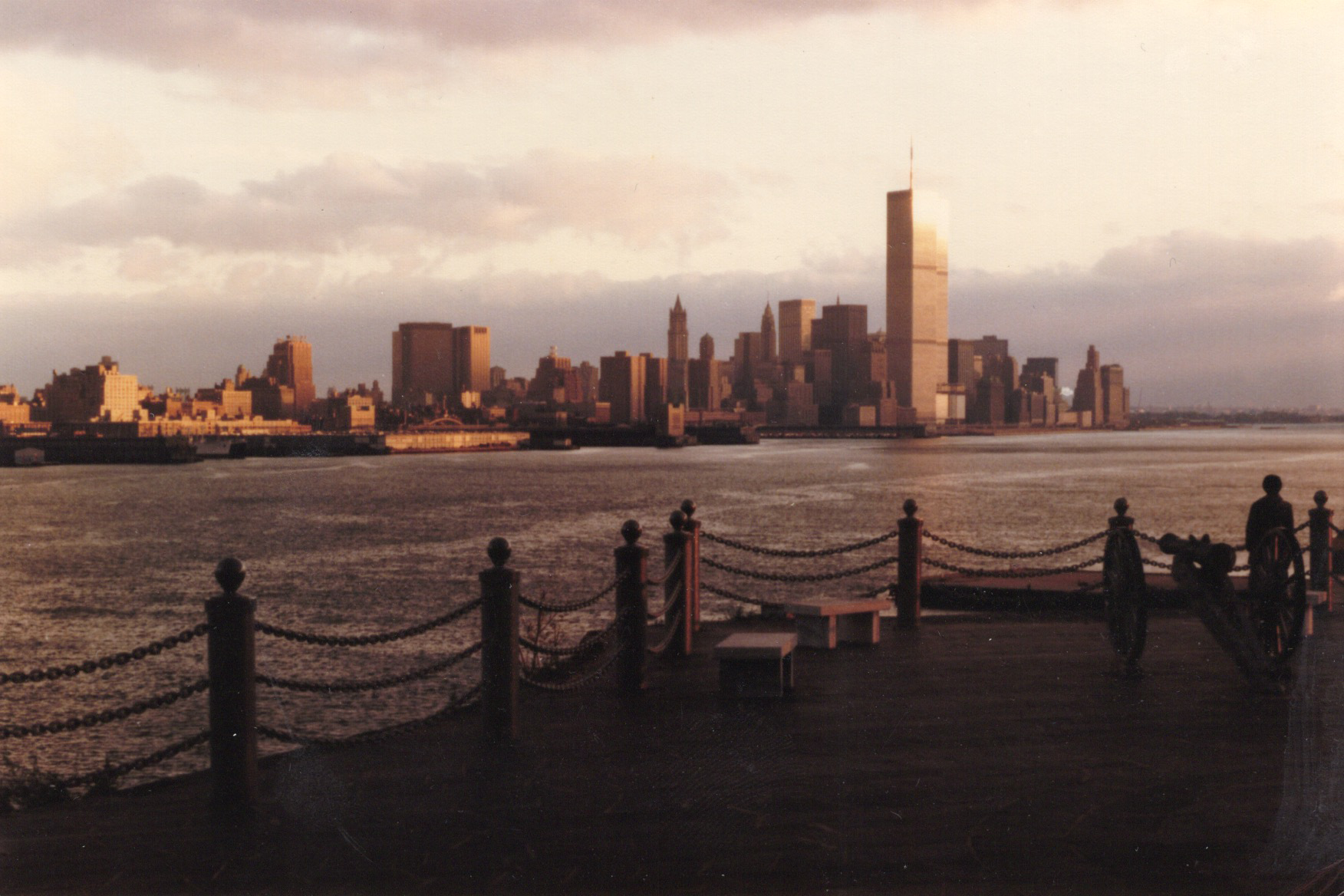
Chicky: The old Hoboken. It was so neighborly. Everybody said hi to everybody. We knew everybody. It was a large Hispanic community. A lot of them were moved to, like, PA, places like that. And, I actually sometimes well, most of the time, I’ll go to church on Willow because they give the Spanish Mass. The older ladies that are there, I know them well. My mom knows them well. And I feel that small community because that’s all there is. I think they’re all gone.
Chicky: In Hoboken they had pageants. I don’t know if you know about that? So the organizer was this lady named Minín. She was Puerto Rican, short statured. Minín was a nickname, I’m assuming, but that’s how we all knew her by. Minín organized a pageant, and I participated. I dressed as una Índia Taína. Yeah! Because I had to represent Puerto Rico even though I was born and raised here. My mom, thank god, raised us with that Puerto Rican root. Even if we’re not from Puerto Rico. My mom’s from Bayamon. And my mom came from Puerto Rico at the age of 16. I’ve always, always been proud, especially when I participated in that pageant to represent La Taina.
The old Hoboken. It was so neighborly. Everybody said hi to everybody. We knew everybody. It was a large Hispanic community. Sometimes well, most of the time, I'll go to church on Willow because they give the Spanish Mass. The older ladies that are there, I know them well. My mom knows them well. And I feel that small community because that's all there is. I think they're all gone.
Nilda "Chicky" Figueroa
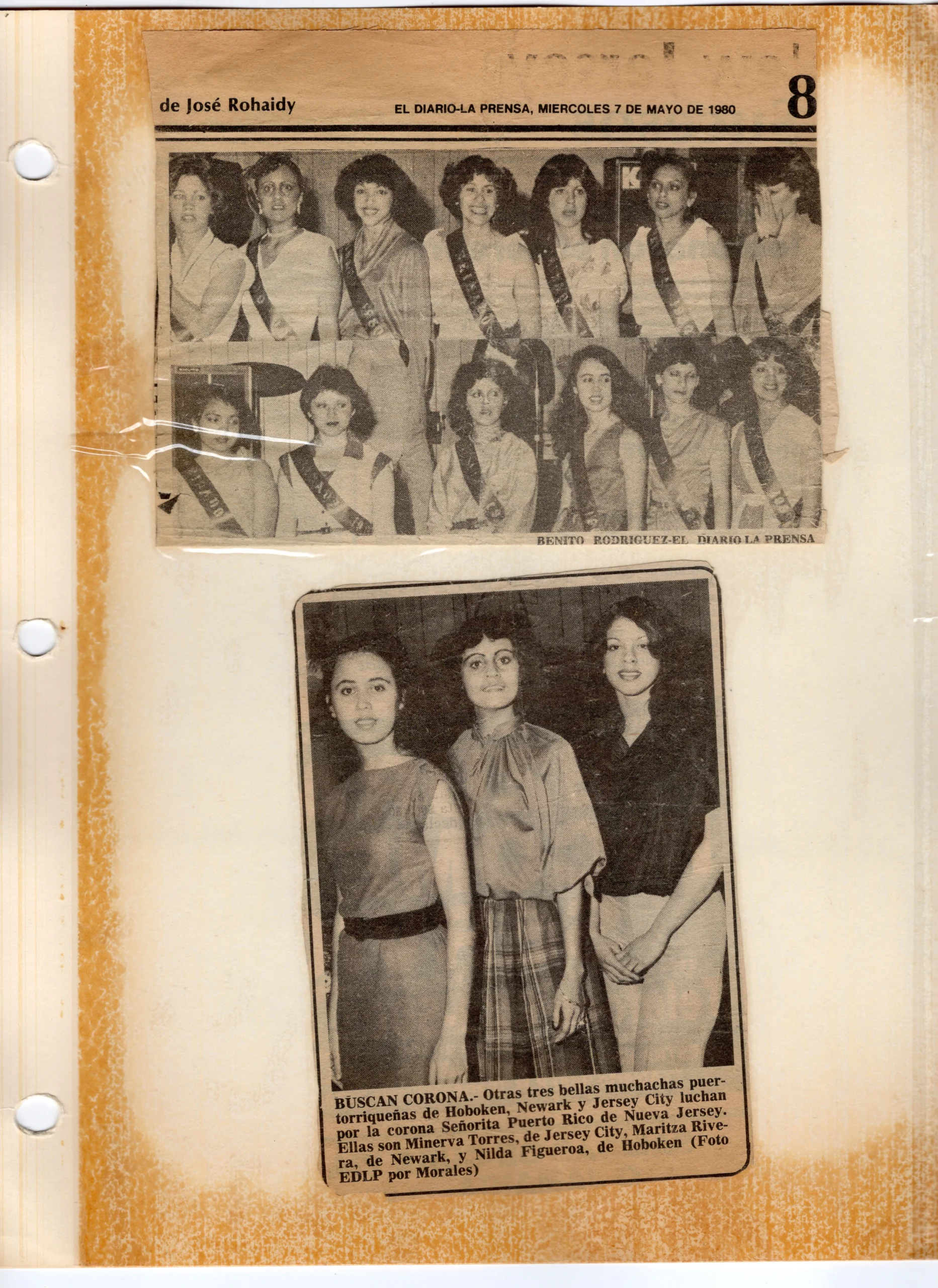
Losing friends during that time, it was hard. He was my age and for the life of me, I tried to remember his name because he was so close to me. I can't remember his name.I think I tried to black out a lot of that time, though. I really did because it was hard.
Yvette "Bibi" Ramos
Yvette "Bibi" Ramos’ Story
Recorded on December 22nd, 2023; Transcribed and edited by Christopher Lopez
Keywords: Hardship, block out, self-reproach, screaming, shelter, witness, fear, organize, CUNA, Juan Garcia, outspoken, bombing, unfairness, equality, racism, Puerto Rican, voice, protest, recall, arson, insurance, distrust, historical erasure, intensity, prayer, community, block parties, identify, pain
View Transcript
Yvette: It’s hard when you try, when you wanna communicate with people that either went through it or know about it. But, 1, it’s hard to talk about, and, 2, to find a lot of the people from back then. And me, at least, when I was so young, I didn’t know the older community back then. I mean, it’s all kids. But then losing friends during that time, it was hard. He was my age. It was this one and for the life of me, I tried to remember his name because he was so close to me that I can’t remember his name. And I think I tried to block out a lot of that time, though. I really did. Because it was hard. The day before we were hanging out. I think we were playing pinball at my mom’s store because she had the store right across the street. And then in the middle of the night all hell breaks loose. And then In that same fire, there was a woman, young girl. Just had a baby. Baby was weeks old. And her husband at the time was working. Fire breaks out. They found her at a window with her baby clutched by the window. And when they lifted her up to take her out, that’s the one that he saw. Then her husband, her boyfriend. After that lost his mind, like he wasn’t the same. He wound up on the streets. He blamed himself a lot. He literally wanted to find a person. All of them were deemed arsons. At that time, it was like they were trying to get rid of everybody. That was a hard one. And then my mom went, whatever time that was, it was the middle of the night. I was out the window screaming my eyes out. And she went down and opened the store so that the firemen can go in and they had to drink milk because of the smoke inhalation. So she just opened up the store and started giving them milk and coffee and whatever they wanted. Families that were already out or that made it out, she made sure that they were safe. I remember the one guy that he had his wife and I don’t know how many kids. He ran downstairs and told her to throw the kids out the window. And he caught them 1 by 1. He caught them all. Then she jumped and lived. So he was able to save that family. I think later on, there was a rumor, like, how did he get out with his whole family, but people didn’t know the story behind it. Beautiful, beautiful family.
Chris: Do you remember the family name?
Yvette: I can’t remember. I’m trying because I was so young. I was trying to even look through the history and I can’t remember the name. It was a black family. The kids were small, little. I don’t know how many there were either? I know he threw them 1 by 1 out the window. We were watching all that happening. The one girl that jumped was another girl, a friend of mine from school. She jumped out the window. She wound up landing feet first and when she did, her legs came up in her hips. Just collapsed into the upper part of her. So she was, like, in full body cast for God knows how long. We saw that too. So that was the biggest one for me. And there was the one on 12th Street. The Washington Street one. My mom just tried to keep me from going to see what’s going on.
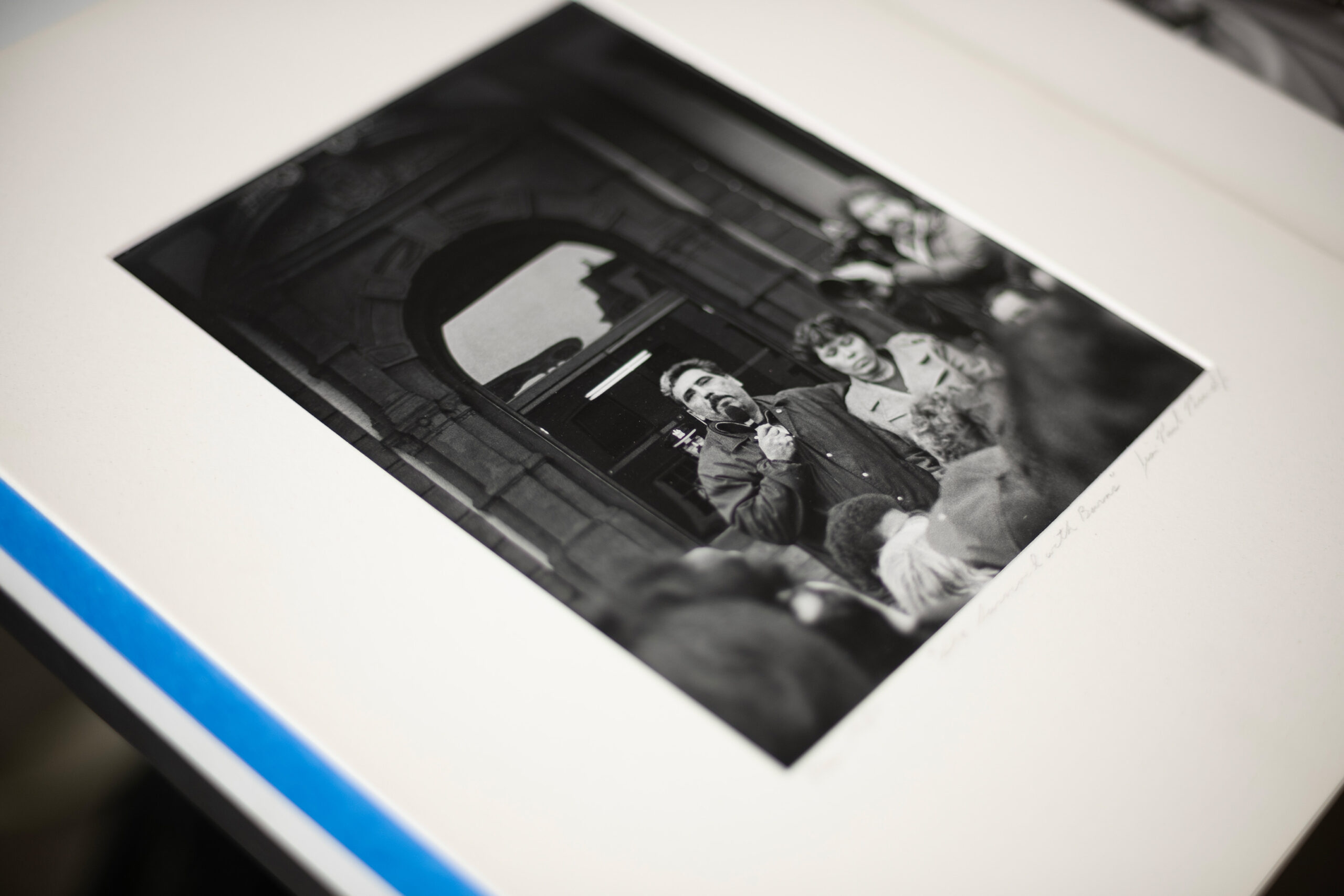
Yvette: We were in fear. Where I live, I was at 116 14th Street, right on the first floor above the bar. That was a bar there. We were in fear. We thought it could be us, we could be next. It’s a corner property. They were looking for these properties like that, nice, good, big building.. It was bad. I remember that through most of them, my father would organize the marches. With a group of people, he belonged to CUNA, Citizens United for New Action. He was around a few places. There was one of them further down on 9th where they bombed. They really didn’t want him there, because he was a big, big, big voice for the city and for the people. City hall, they hated him. He wasn’t liked. He wasn’t wanted. He was hated to the point that they bombed the office. He wasn’t there, thank God. It was either a message to shut the hell up and stop, or they expected him to be there. And what did he do? Shut it down and opened up further up on 10th and Willow. I mean, he wasn’t gonna stop. He wasn’t gonna stop.
Chris: Why was your dad doing this? Why do you think your dad was doing this?
Yvette: I don’t know the back history of it. But I know that from the little that my mom has told me, like, he started in New York when they had those protests over there, in Spanish Harlem. He was sort of part of that. Remembering when they had the big protest where they put the garbage out onto the street because they just said, well, you don’t wanna pick it up, then this is what’s gonna happen. They started burning it. So he was kinda part of that history, and I think that stuck to him where, you know, the unfairness. He wanted to make sure that there was equality and it wasn’t. So from the city coming down to here and then seeing what’s going on here and seeing the people that were sitting in the seats at city hall. And, I mean, there’s no other way to say it, but the racism was strong. Hoboken was majority Puerto Rican. It was very, very much Puerto Rican. So he wanted to, I guess, make a difference, make a difference in their life and make a difference for the city too. So they didn’t have a voice and he was their voice. And he would hold these meetings with them and he would go out in the streets and protest. He would go to city hall. I even remember an incident when they were electing a mayor in one of the elections. And he was inside and we, because I went with him everywhere, were all outside just waiting. And he just said, and he tells me as an 11, 12 year old, if you see me come out with a smile on my face, we’re good. If you see me come out with my face, THAT face, we start the chant. And what was the chant? So he said it was basically recall, recall, recall, and to keep repeating it no matter where he went, no matter what he did, no matter what happened, to keep repeating it. So when I saw him come out with the face, and he said, NOW, I went outside and I started yelling my little, my little self, recall! Recall! And everybody, you’d hear them call. Recall, recall! And it was big. What happened during that same protest, there was and I don’t know if you remember this person, but it was an homeowner or one of the building owners. I believe he, she was a 14th Street homeowner. And she was trans or somewhere along those lines. So he but she dressed as a woman. Actually went there, which she shouldn’t have, and the crowd was gonna kill her. They felt like those the homeowners basically were kind of, like, giving into whatever they wanted either their buildings burned down either for insurance or for the money that they were being offered at the time, which all the rumors were because they wanted to make it what it is today with the condos and stuff. And so they wanted to kill this person, and they surrounded her. Cops were all around, but they weren’t letting the cops in. When my dad came out, cops surrounded him. You see them then the whole crowd move away from that person and surround the cops that were surrounding my dad. And they were saying, you’re not taking him. You’re gonna have to go through all of us. They shit their pants. They were like, uumm, they’re saying, Juan! Well, just tell your people then to calm down and let it go. He goes, well, you’re gonna have to get away and let me go. Basically, they had to, like, separate and then this crowd surrounded my dad to protect him. It was during that time because of the fires, any homeowner that they thought was with these people that wanted to burn the city down and burn out the Puerto Ricans, that’s what he was trying to protect. There was a lot of people obviously on Willow Avenue because that’s where his kinda territory was, where he was protected the most. All up and down those blocks, he would hang out on the stoops with them.
Yvette: One thing I also remember. Whenever he was with me, we would cross the street and a car would go like this(waves hand to cross). He said, don’t move. And he would tell the car to go. And I always found that strange until one day. He did it all the time! And I said, why do you, if they’re giving us a chance to cross, daddy, why don’t you let us, why don’t we? He goes, because we don’t know who they are, and they could be asking us to cross to run us over. And so that was that fear also. And then every and then, obviously, I grew up with that. So wherever I go when I’m at a corner, I still to this day, if somebody goes like this (signals), looking at the light to make sure it’s red and if there’s no red, if it’s a stop sign, I’ll go, but if it’s nothing, no. That’s good, go! It stayed in my brain. Never let me cross the street if somebody said go. Because they were our offering. It was a crazy time. But for every fire that would happen and they would bring the structure down to rubble, we’d have a march. Throughout the march in Hoboken, it was kind of planned where we would march to each location, stop at that burned location. They would either have a prayer or he would say something. Not say, but scream stuff. X persons died here. Next one, it would be, the blood was shed here from our people, and then we would just march, march, march, and then we’d always walk the city wall. He’d make his big speech there, and then everybody goes through separate ways. And we did a lot of those. He did organize them. A lot of them. But when I was looking through some of the history myself, it never said that he did that. It said that other people would organize it, and he was just kind of a part of it. And it’s sad because I had recordings, tapes of his meetings. Some of them from city hall, some of them in his meetings with the people, what they were gonna do. And you could see, feel the intensity in his voice and how he would speak. And I can’t find them, I lost them. For the life of me, I can’t find them, and I’m sad about that.
Yvette: He would do a lot of events, block parties. Hard for him to get permits, but they couldn’t deny it all the time because, you know, what’s good for the goose is good for the gander. Again, that’s that equality. Well, how come so and so in blanquito could have their block party and all this, but then we can’t have ours, a Hispanic event. So, in order to not hear his big voice, they wanted to keep it calm and they would approve his permits. But he had a lot of those. He did a lot on the block, obviously. Some on Washington. I remember down River Road before it was what it is today, Sinatra park and all that stuff. Mucho baile, he got a lot of dancing. He would get orquestas from wherever, and they would come in. And it was always the Hispanic community. And they did ask for donations because, again, it was to help the families of the fires, to help the organization stay afloat because they were not helping him.
*This section on the conversion was recorded while Chris was giving Yvette a guided tour of his exhibition, The Fires: Hoboken 1978-1982 at The Hoboken Historical Museum.
Yvette: Oh my god. I just remember, doing the same thing. He would leave the back window open, to get out on the fire escape If anything happened. We had 2 ways to get out, either climbing the tree or pulling the ladder for the fire escape down when we lived at 116. We always check to make sure that it was working. We would pull it down and pull it up to make sure that it was working. Oh my god.
Yvette: I remember this chant too. We used to say all the time in the marches. We used to say, divided, to the people united will never be divided. That’s how we used to say. That was it. When after that fire, when my mom let me come out, finally, we walked to the back of Pinter, and we saw that happening (people being removed from the fire) as they put the people down. First, we saw when they lifted the mom with the baby in her arms, and then they were pulling her out from the back. I think her the boyfriend, the baby’s father back then, I think they I don’t know if he was there or they took him to identify, i don’t know what? Because they were burned. But he wanted to see them no matter what. And I think that’s kind of what made him lose it at that point. He was trying to turn his life around and make everything better because of the pain. He was in love with that baby. You would always see him strolling the carriage, not the momma. He was so proud.
I mean, there's no other way to say it, but the racism was strong. Hoboken was majority Puerto Rican. It was very, very much Puerto Rican. So he wanted to, I guess, make a difference, make a difference in their life and make a difference for the city too. So they didn't have a voice and he was their voice.
Yvette "Bibi" Ramos
Throughout the march in Hoboken, it was kind of planned where we would march to each location and stop at that burned location. They would either have a prayer or he would say something. Not say, but scream.
Yvette "Bibi" Ramos
I remember this chant too. We used to say all the time in the marches. We used to say, 'divided, to the people united will never be divided'.
Yvette "Bibi" Ramos